AC (Alternating Current)
The type of electricity used in homes. Solar panels produce DC, which inverters convert to AC.
Azimuth
The compass direction your roof faces. In the northern hemisphere, 180° (South) is ideal for solar.
Clipping
When solar panels produce more power than the inverter can handle, the excess is "clipped" or lost. This is normal during peak sun hours.
DC (Direct Current)
The raw electricity produced by solar panels and stored in batteries.
Degradation
The slow loss of panel efficiency over time. Standard panels degrade about 0.5% per year.
Inverter
The brain of the system. Converts DC to AC. Types include String, Microinverters, and Hybrid.
Irradiance
The power of solar radiation per unit area (Watts per square meter). Higher irradiance means more energy.
kWh (Kilowatt-hour)
A unit of energy. Running a 1,000-watt appliance for one hour uses 1 kWh. This is how you are billed.
Microinverter
Small inverters attached to each individual panel. They optimize performance if part of the roof is shaded.
MPPT (Max Power Point Tracking)
Technology in inverters that constantly adjusts electrical load to get the maximum power from panels.
PV (Photovoltaic)
The technology that converts sunlight directly into electricity using solar cells.
Shading
Obstruction of sunlight. Even small shading on one panel can impact a whole string without optimizers.
Smart Battery System
An intelligent system managing battery charging, discharging, and lifespan optimization.
String Inverter
A central inverter that connects a series of panels. Cost-effective but susceptible to single-point failure/shading.
System Size (kW)
The maximum power output of your array. (Formula: Daily kWh Needs / Peak Sun Hours / Efficiency Factor).
Time-of-Use (TOU)
Utility rates that change based on time of day. Solar + Battery is best for avoiding expensive peak rates.
True-Up Bill
An annual statement from the utility reconciling all your credits and charges for the year.
Utility-Scale
Massive solar farms generating power for the grid, distinct from residential (rooftop) solar.
Backup Battery
Energy storage system that allows you to store excess electricity for use during outages or peak rates.
Cycle Life
The number of charge/discharge cycles a battery can undergo before its capacity significantly drops.
Depth of Discharge (DoD)
The percentage of battery capacity that has been used. Maintaining recommended DoD extends battery life.
Buyback Rate
The price a utility pays you for excess solar energy sent to the grid. Often lower than the retail rate.
Excess Energy Compensation
Payments or credits received for surplus electricity sent to the grid beyond what is consumed onsite.
ITC (Investment Tax Credit)
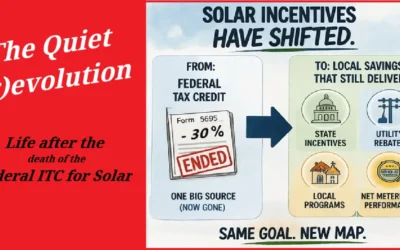
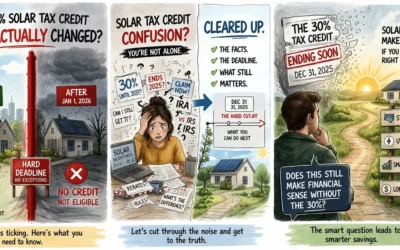
A federal solar tax credit. Amount varies by year and system; check current state/federal programs.
Lifetime Value (LTV)
Total savings your solar system generates over its expected lifespan, including inflation and rate increases.
Net Metering
A billing mechanism where you get full credit (1-for-1) for energy you export to the grid.
Peak vs Off-Peak
Differentiation of electricity rates depending on the time of day. Solar + Battery can reduce peak costs.
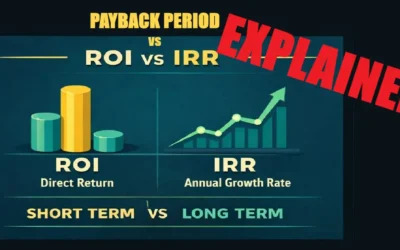
Payback Period
The time it takes for electricity savings to equal the initial cost of the system. (Formula: Net Cost / Annual Savings)
PPA (Power Purchase Agreement)
A financial arrangement where a third party owns the solar system on your roof, and you buy the power from them.
Prosumer
Someone who both consumes and produces electricity.
ROI (Return on Investment)
Percentage gain from your solar investment relative to initial cost, usually measured over the system lifetime.
Solar Credits
Credits earned for energy exported to the grid, used to offset your electricity bills.
Building/Structural Permit
Confirms roof load safety and compliance before installation begins.
Electrical Permit
Ensures NEC compliance for wiring and breakers.
HOA Approval
Approval from a Homeowners Association if applicable, often required despite state solar rights laws.
Production Guarantee
Warranty ensuring a minimum annual energy output from your system.
PTO (Permission to Operate)
Official approval from your utility company allowing you to turn your system on.
Workmanship Warranty
Coverage for installation labor, roof leaks, wiring issues, and mounting failure.
SREC (Solar Renewable Energy Credit)
Tradable certificates representing the environmental benefit of generating 1 MWh of solar.
Battery Backup Check
Verification of backup battery health for storm or outage readiness.
Ice Dam Check
Inspection for ice accumulation that can damage mounts and roof penetrations.
Pollen Removal
Cleaning panels to remove pollen accumulation, usually in spring.
Seasonal Maintenance
Routine checks and cleaning performed throughout the year to maintain optimal system performance.
Snow Removal
Clearing heavy snow from panels to prevent energy loss and mounting stress.
Alerts
Notifications triggered by system monitoring for abnormal operation or maintenance needs.
Fault Codes
Error codes generated by inverters or monitoring systems indicating system issues.
Solar First Responder
A diagnostic approach to quickly identify common issues before calling a professional.
Installer
A professional who designs, sizes, and installs solar systems.
Residential Solar
Solar systems designed for homes as opposed to utility-scale projects.
Rooftop Solar
Residential solar installations on home roofs.
No terms found.
 Navigating