 Navigating
 Portable Power Stations vs Home Battery Systems
What do you need backup power for?
There are 3 approaches to backup power.
Portable

Modular
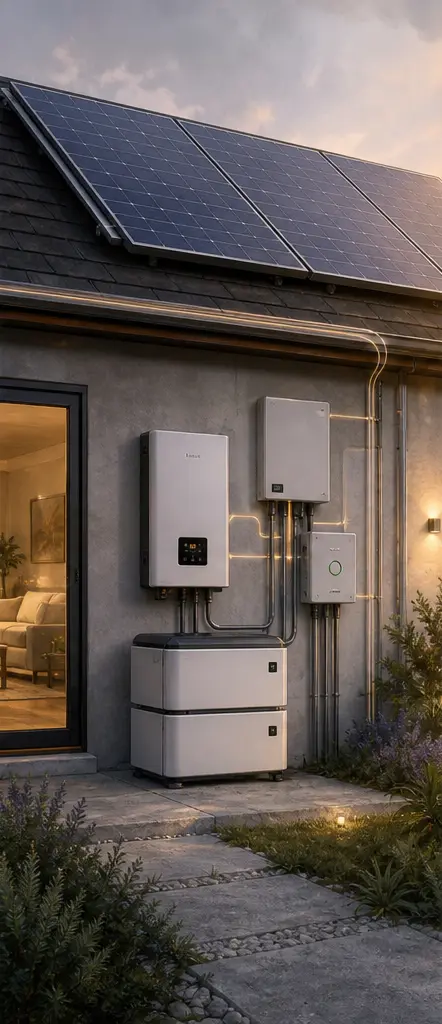
Whole-home
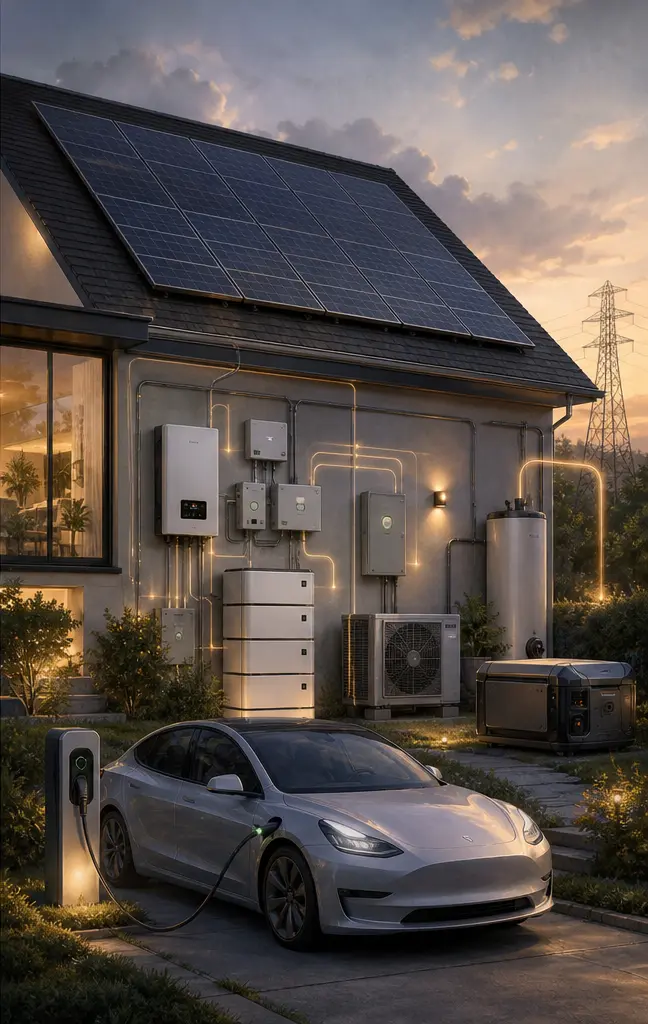
But what do you choose?
… because
Backup power ≠ home battery.
Backup power is the job. A battery is the reservoir.
So, let’s
Understand
How much backup power do I need?
How much do I want to spend?
How far do I want to build?
Compare
The decision
↓
The trade-offs
↓
The solutions
Question
How much do I need?
→ capacity / power
→ load size vs runtime

An evolution of capability, capacity and integration
Progression ≠ sequence.
Every buyer’s starting point is different. There is no universal sequence.
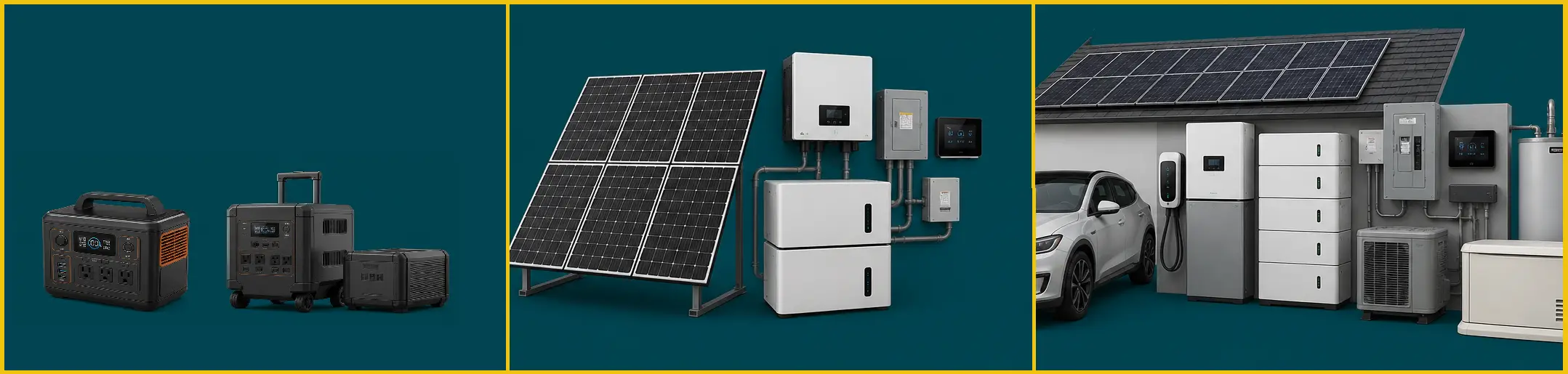
Portable energy → Expandable portable → Modular home storage → Whole-home backup → Integrated home energy system
Portable / flexible
→ portable backup power
→ larger expandable portable power station
→ modular battery system
→ recharges through grid or (foldable) solar panels
VS
Modular to Whole-home
→ permanent installation
→ solar + storage ecosystem
→ home battery backup
→ whole-home backup
…so you start looking at

…and you ask yourself
What can I buy?
→ portable / modular / whole-home
What happens when I need more?
→ storage / distribution
→ expansion
→ compatibility
How do I refill it?
→ recharging
What am I committing myself to?
→ compatibility
/ lock-in
/ long-term investment
What happens when it gets old?
→ degradation
/ repair
/ replacement
/ recycling
When does my backup product become electrical infrastructure?
But first, we get down to the basics…
How much Power do You need?
How much capacity, how many batteries?
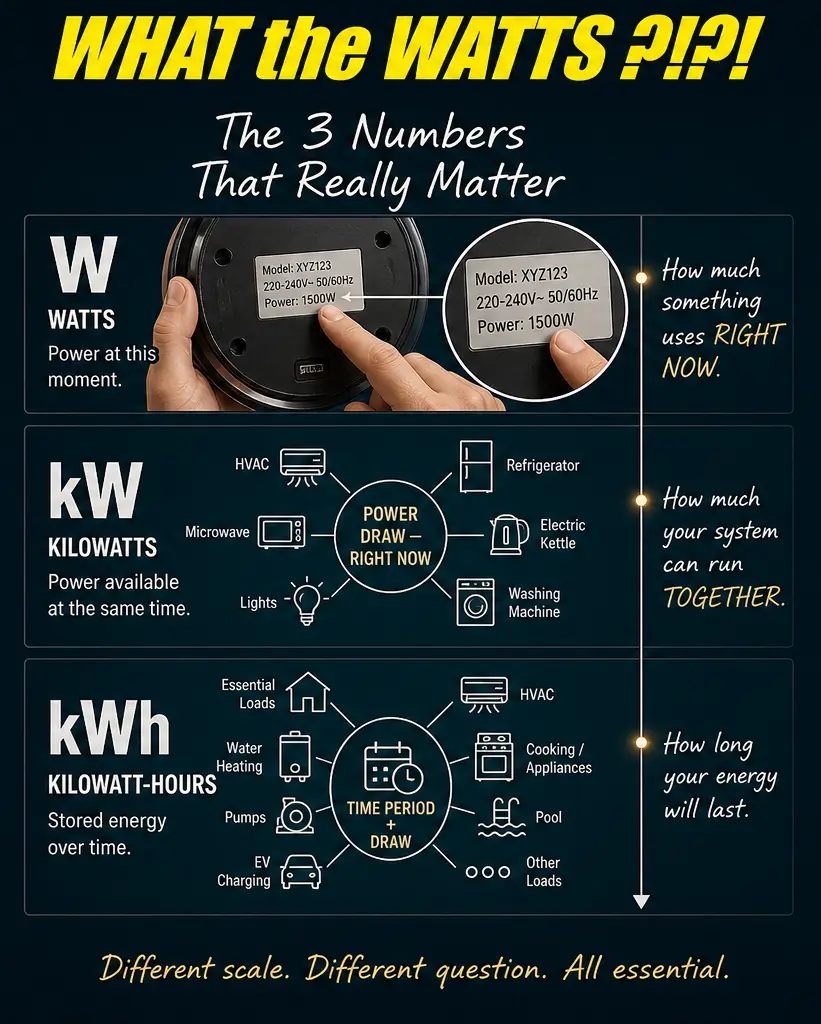
kWh tells you how much energy you have.
kW tells you how much power the system can deliver at once.
… when the buyer’s actual question is:
“How long will this keep my stuff running?”
- more energy capacity → more kWh longer runtime how much energy is stored
- more power output → more kW how much power you can use at once ability to run larger loads simultaneously
Runtime depends on both how much energy is stored and how much power the loads consume.
What are you trying to run?
Battery size is only one part of the decision.
What it actually needs to deliver depends on which loads you want to run,
how much power they require,
how long you want them running,
and how you plan to recharge the system.
From a few devices to the whole home
Approximate ranges only. Actual requirements depend on which loads you run,
how long you run them, starting/surge demand, inverter efficiency, and how the system is configured.
| Types of Battery Backup | ||||||
|---|---|---|---|---|---|---|
| Visual example of | Approx. battery size | What could be powered | Typical output | Rough daily energy need* | Rough equipment price | What you're realistically thinking about |
USB Powerbank  | ~0.01–0.1 kWh |  | ~20 – 300 W | <0.1 kWh/day | $20–$150 | Phones, small USB electronics |
Small portable battery backup unit 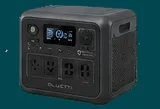 | ~0.2–1 kWh |  | ~300 – 1,000 W | ~0.1–1 kWh/day | $150–$700 | Phones, laptops, lights, small electronics, occasional small appliances |
Portable backup  | ~1–4 kWh |  | ~1,000 – 4,000 W | ~1–4 kWh/day | $700–$3,000 | Fridge + Wi-Fi + lights + electronics + selected appliances |
Modular home backup 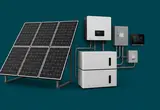 | ~5–30+ kWh |  | ~3 – 15+ kW | ~3–20+ kWh/day | $3,000–$20,000+ | Fridge, Wi-Fi, lighting, security, selected household loads. More circuits, larger loads, longer outages |
Whole-home backup 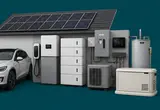 | ~20–50+ kWh | 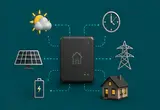 | ~10 – 25+ kW | ~20–30+ kWh/day | $15,000–$40,000+ | Most/all household loads, depending on system architecture + extra backup |
Your home’s normal electricity use is not the same as your backup requirement.
During an outage, you may choose to power only essential loads — or you may want most or all of the home to continue operating.
Your battery size depends on what you keep running, how long you need it, and how much power those loads require at once.
Your house might normally use ~29 kWh in a day.
That doesn’t mean you need a 29 kWh battery to survive an outage.
You decide what stays on.
Do I still need backup if I have a full energy system?
YES — POTENTIALLY.
Solar + battery does not automatically equal backup.
A system needs the right backup architecture
– including appropriate inverter capability, controls and transfer/islanding equipment,and enough storage/output capacity –
to keep the home powered when the grid goes down.
…and now that you have a better idea of that,
it’s safe to let you play with the battery capacity calculator.
Just click the button below.
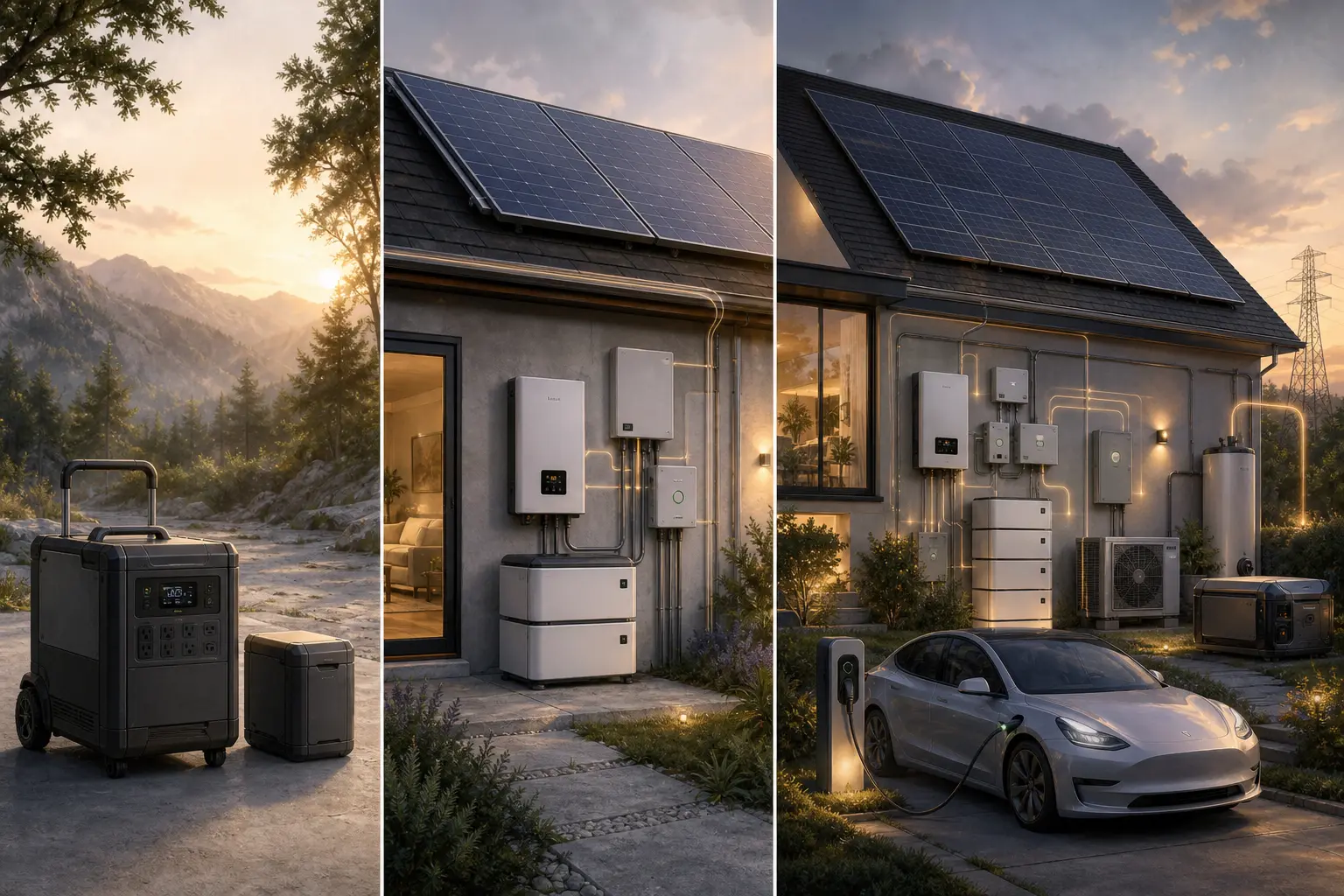
3 Ways to Build Backup
Different ways of balancing
mobility, capacity, integration,
flexibility, cost and future growth.
Portable / integrated
“I want simplicity and flexibility of use.”
Modular / configurable
“I want to build capacity and my system over time.”
Whole-home energy ecosystem
“I want the system to work together as one designed environment.”
Complete the self-feeding ecosystem loop — and automate it.
And the trade-off isn’t:
cheap → expensive → best
It’s:
simplicity ↔ flexibility ↔ integration
Comparing 3 Different Approaches
to Home Battery Backup
Affiliate Disclaimer:
NavigatingSolar is an independent educational resource. We don’t manufacture or install solar systems—we research technologies, compare solutions, and help homeowners make informed decisions.
These links may connect you with solar providers through our partner network.
We may earn a commission if you choose to engage — at no extra cost to you.
Learn more about how we choose partners.
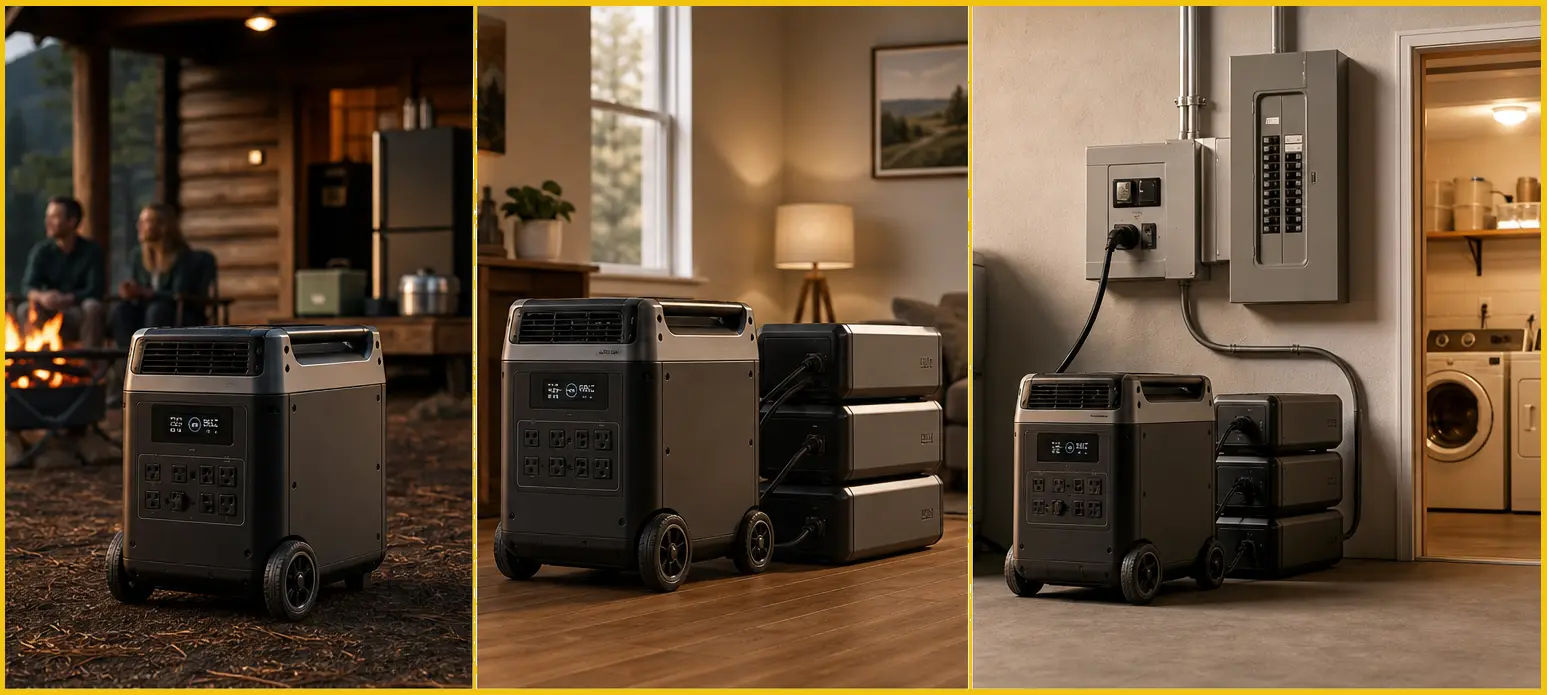
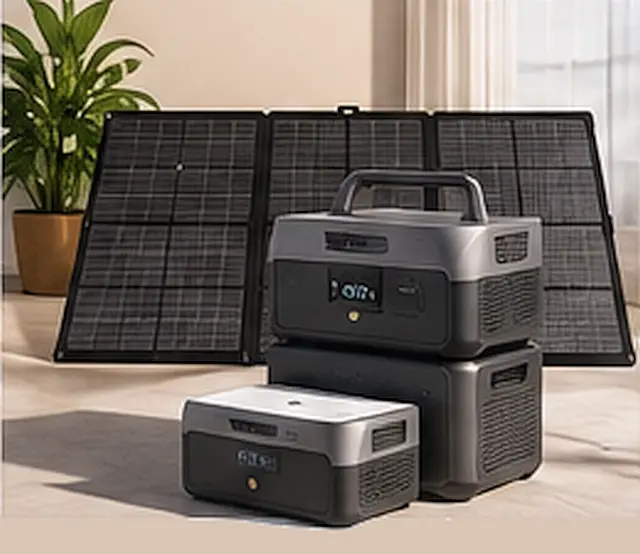
BUILD AROUND A PORTABLE SYSTEM
“I need backup power now.”
Portable.
Expandable to a point.
Potentially solar-rechargeable.
For home and outdoor use.
Integrated, simple, flexible
Battery + inverter + controls in a packaged system.
Best when:
mobility matters
starting cost matters
installation isn’t possible
the loads are limited
flexibility matters
Portable ≠ small.
Home battery ≠ simply bigger.
The difference isn’t simply size.
It’s what the system is designed to do.
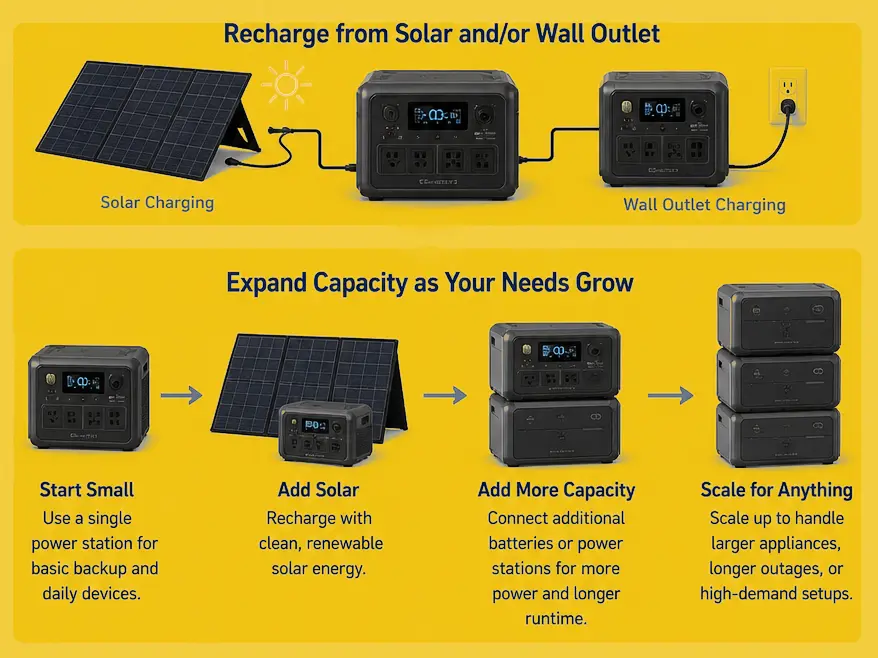
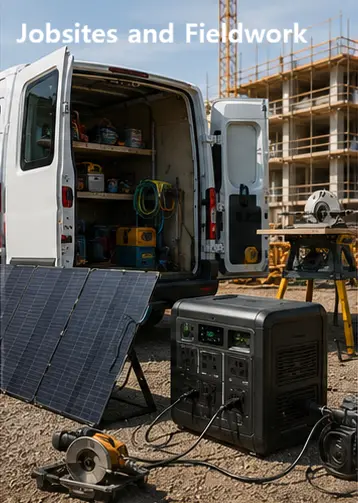
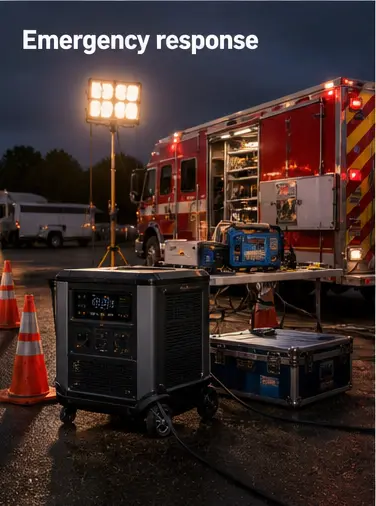
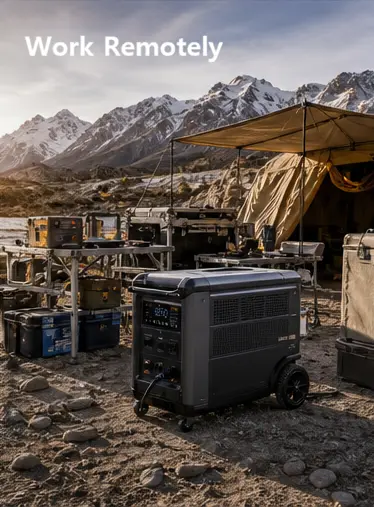
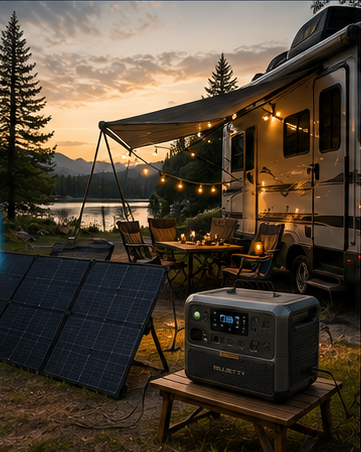
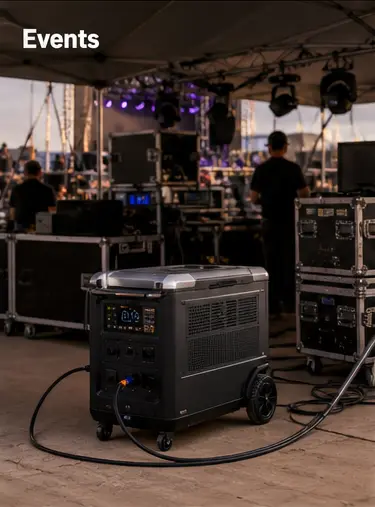
When Portable Power Makes More Sense
Where mobility is itself an architectural requirement.
Do you need the power to move?

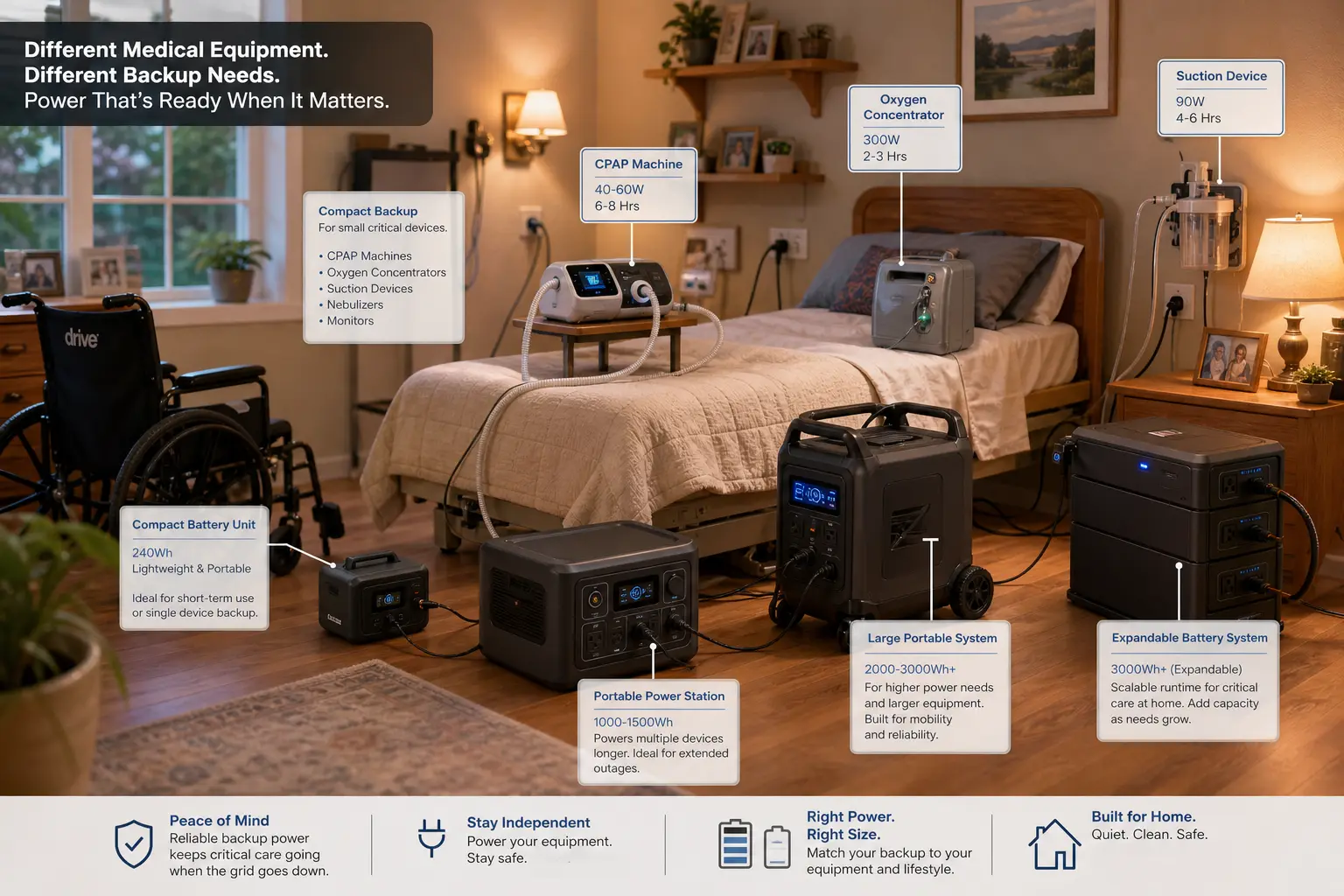
Medical Equipment & Battery Backup Solutions
Mobile medical / Critical equipment
When backup power protects a person rather than merely a refrigerator, the decision changes.
Reliability, runtime, automatic transfer, redundancy, noise and equipment compatibility may matter more than headline capacity.
Critical medical loads require a system designed around the specific equipment and backup requirements.
WHEN DOES PORTABLE BECOME
HOME INFRASTRUCTURE?
Portable doesn’t automatically mean DIY.
You can start with portable.
You can grow it.
But connecting it into the home’s electrical infrastructure changes the installation equation.
Some portable systems can simply be plugged in and used.
But as a system grows — for example, when it connects to home circuits, transfer equipment or other fixed electrical infrastructure — professional installation and code requirements may apply.
This isn’t about whether the battery is called portable. It’s about what you’re connecting it to.
So the useful reader question is:
“At what point does this become an electrical system that needs to be designed, permitted, installed and inspected?”
The answer depends on **the equipment, configuration, jurisdiction and how it connects to the home’s electrical system.

…and that’s really when you start looking at
BUILDING A MODULAR
HOME ENERGY ECOSYSTEM
“I want meaningful backup and I want to build toward more.”
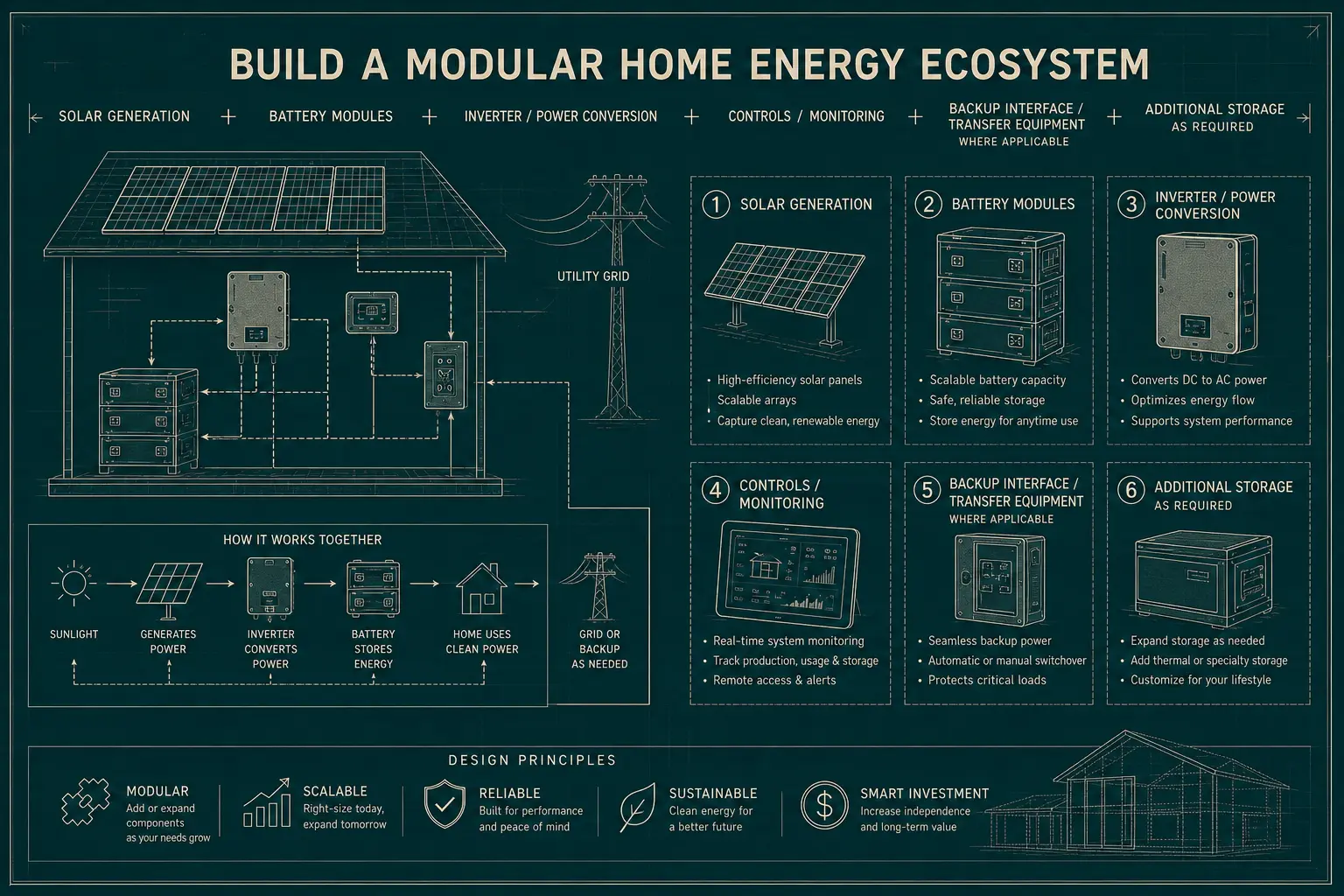

More capacity.
More integration.
More permanence.
More compatibility questions.
Potentially multiple batteries/inverters.
The system is designed around permanent residential installation but remains modular.
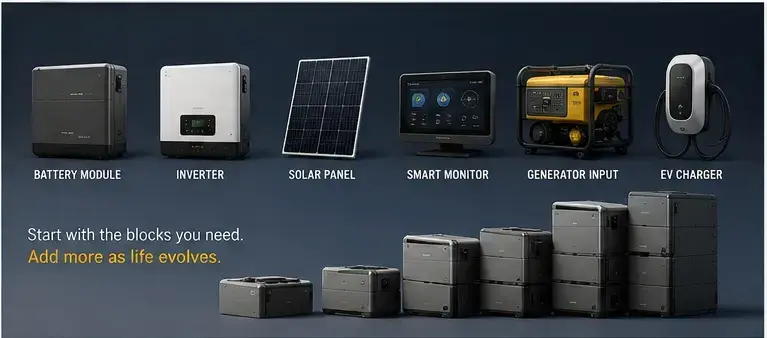
Component-based storage systems are assembled from compatible components, building towards a full energy ecosystem over time.
Professional installers, permits, and home electrification play a role in your planning and budgeting.
More capacity + more permanence + more configuration
A system can be expandable in capacity while being highly proprietary in everything else.
And that’s exactly why compatibility matters.
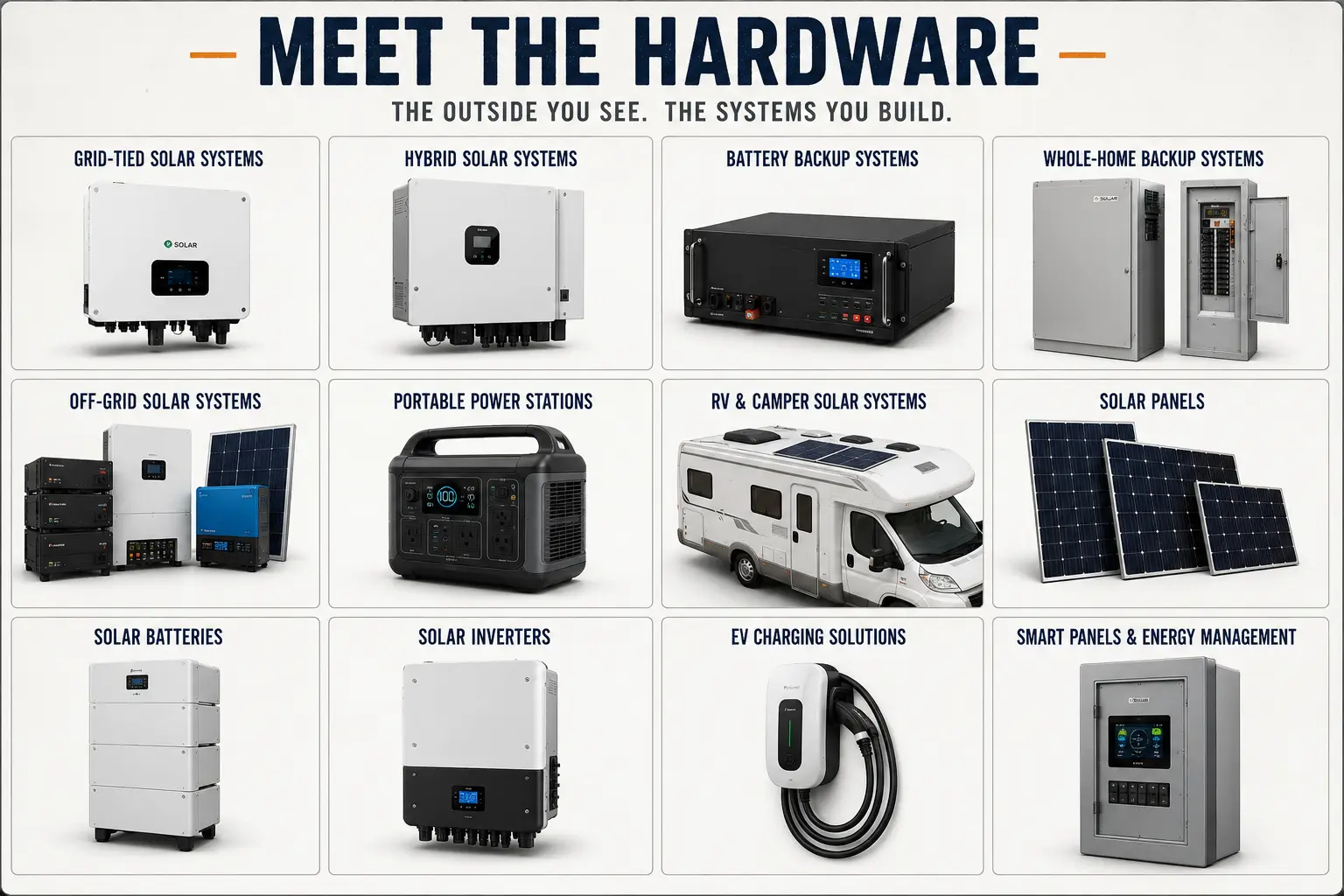
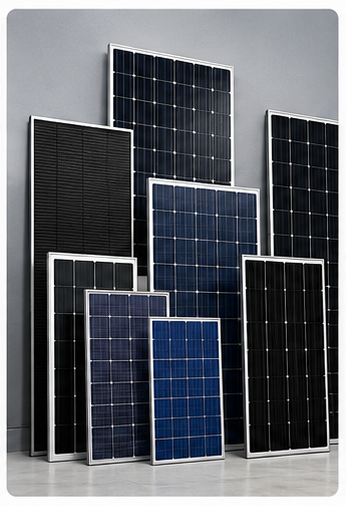
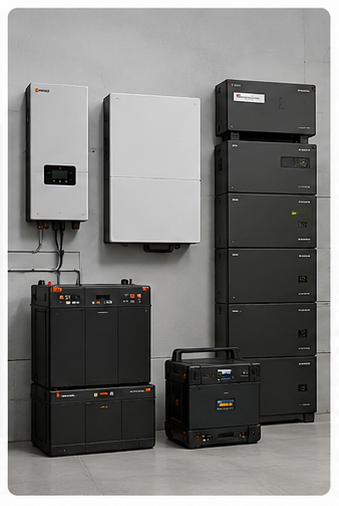
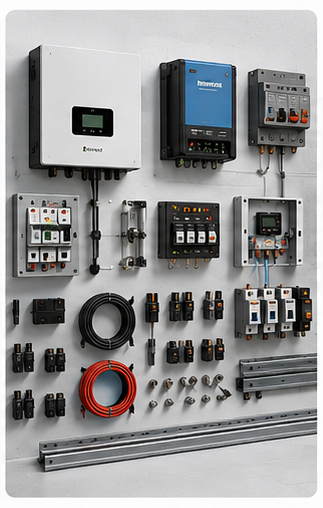
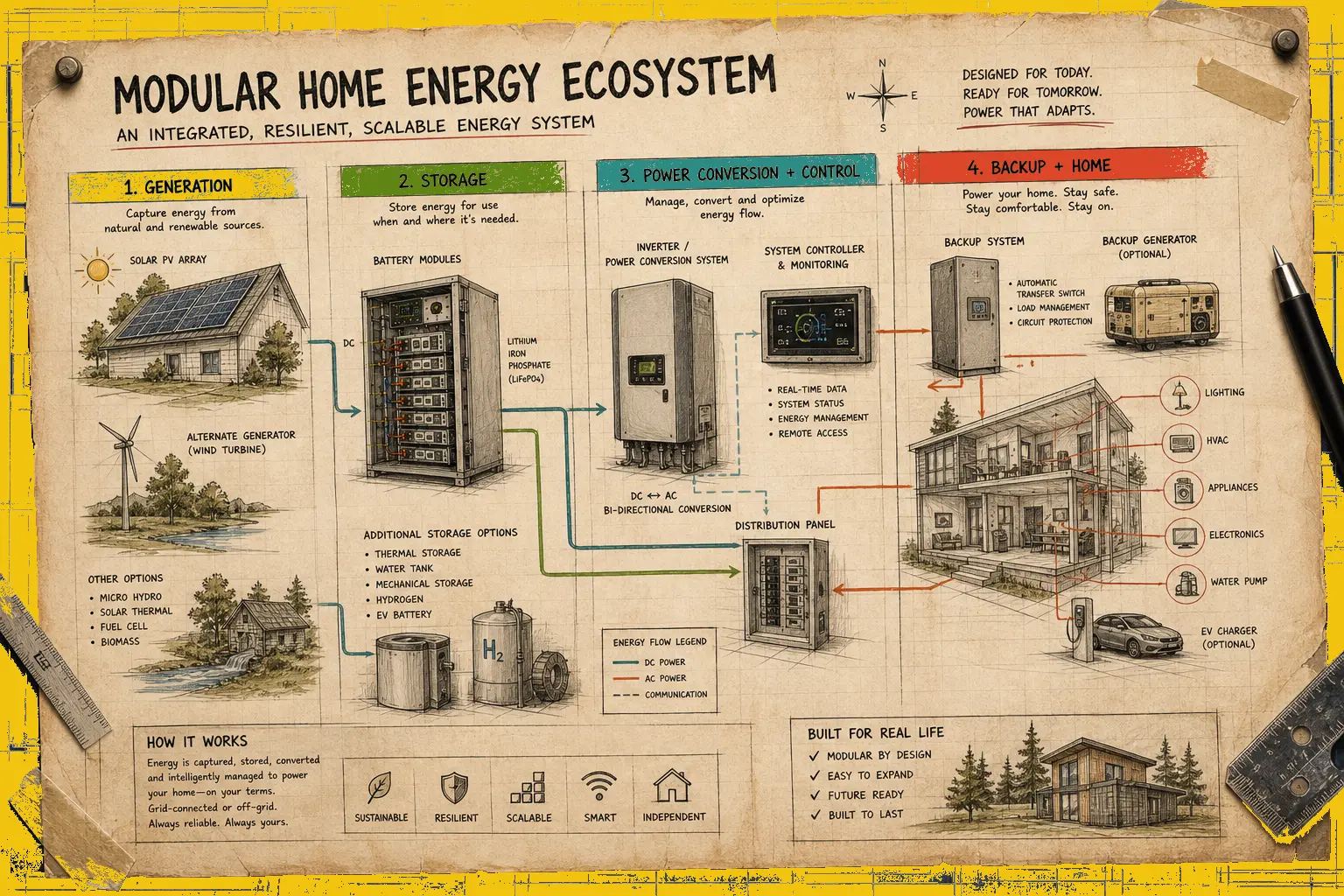
What does “modular” actually mean?
Capacity modularity
Add more battery.
Example: 5 kWh → 10 → 15 → 20.
Power modularity
Add more inverter/output capability.
You aren’t simply adding stored energy; you’re increasing what the system can deliver simultaneously.
System modularity
Add/change functions.
Solar.
Generator.
EV.
Smart loads.
Backup panel.
Additional controls.
The Multi-Compatibility Design
A battery, inverter, controls and backup equipment have to be designed and approved to work together.
As a system grows, compatibility can extend to:
battery → inverter → communications → backup equipment → solar → generator → EV
The more you build, the more important the connections between the pieces become.
So what’s the battery difference?!?!
A portable system might be:
battery + inverter + controls + outlets + display + handles/wheels
all packaged into one relatively self-contained enclosure.
VS
A residential system can instead
separate those functions:
battery bank / modules
power conversion/inverter
transfer/backup equipment
electrical distribution
communications/control
monitoring
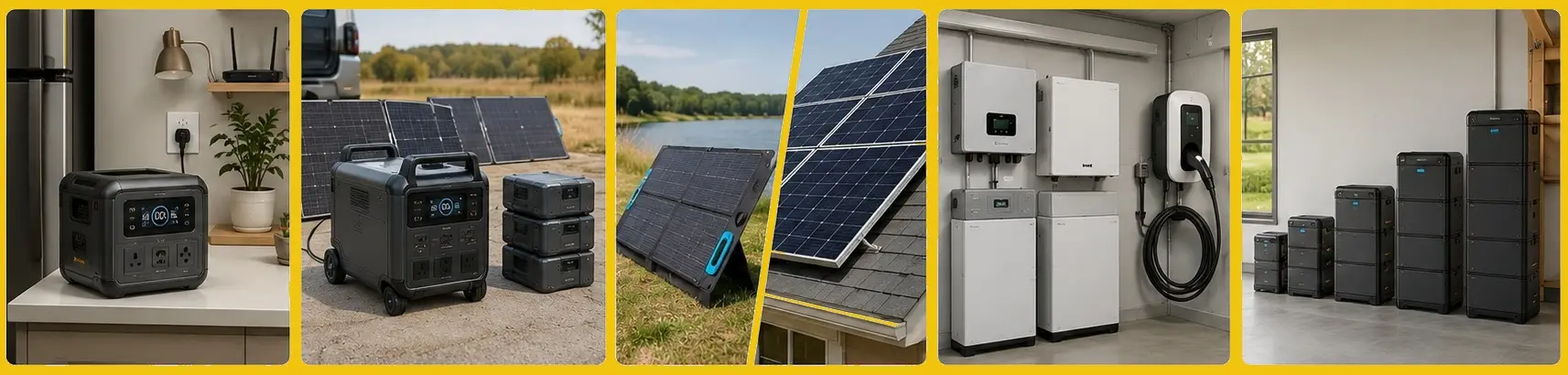
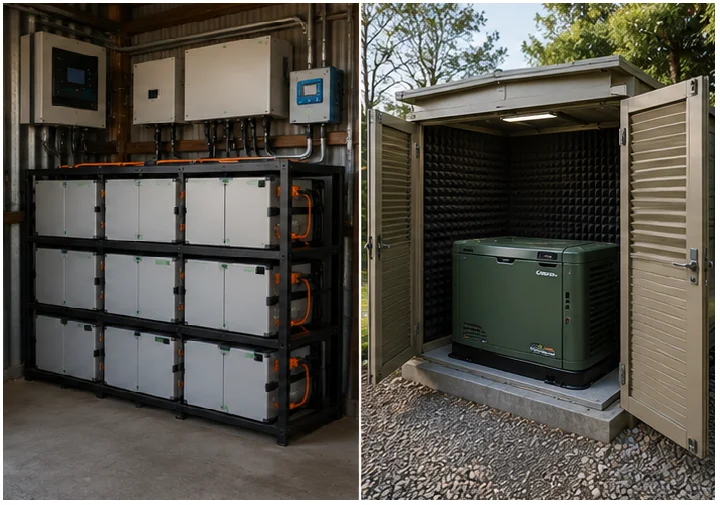
And the storage itself may become a cabinet, wall-mounted module system, stacked battery modules, or another dedicated installed enclosure, depending on the manufacturer’s architecture.
So even if the brand offers both portable and home systems, the visual language can legitimately change.
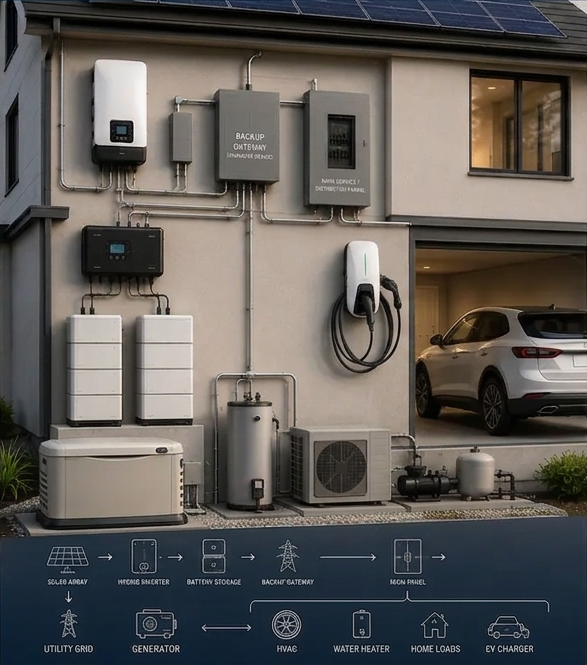
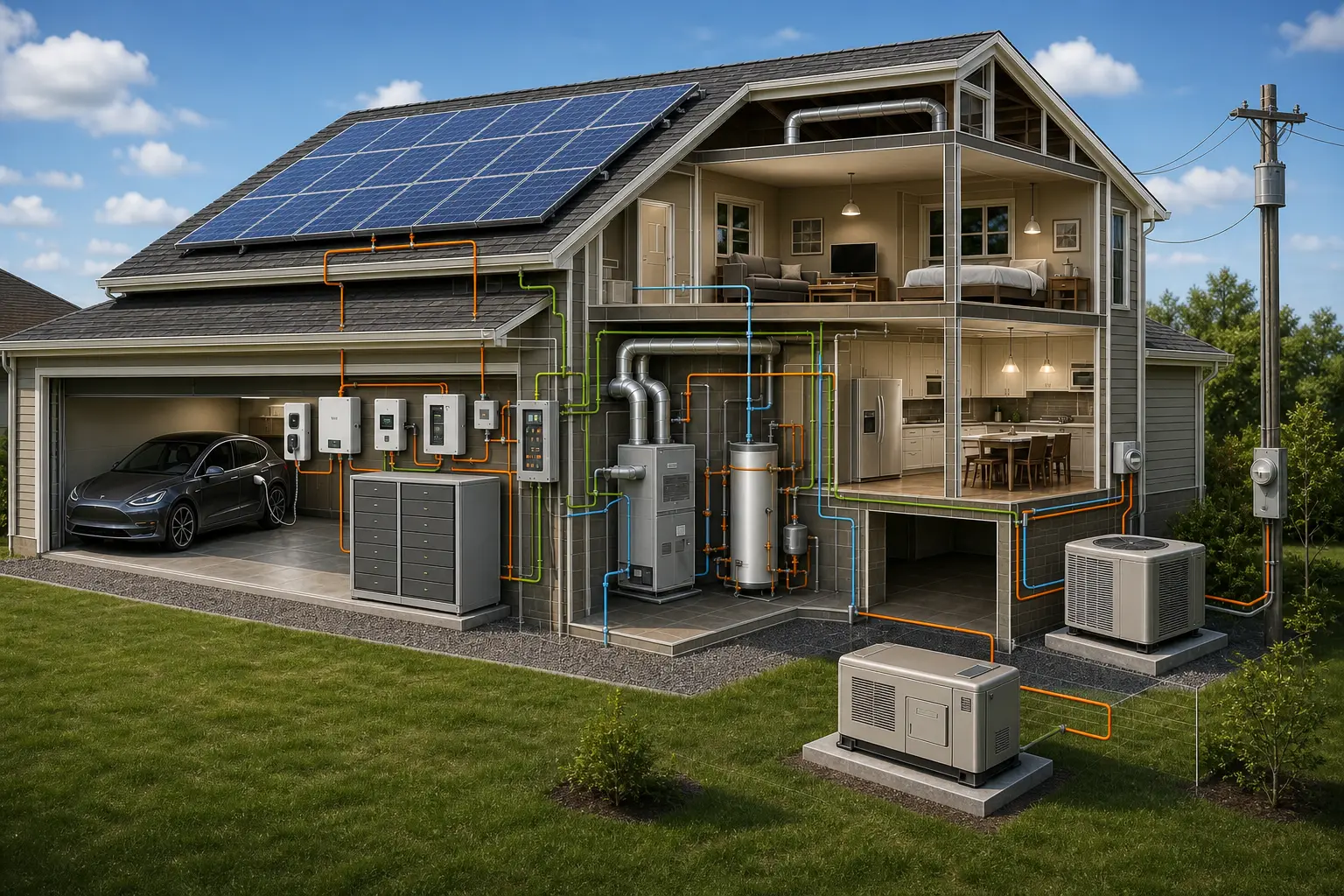
WHOLE-HOME INTEGRATION
“My ecosystem – My energy asset”
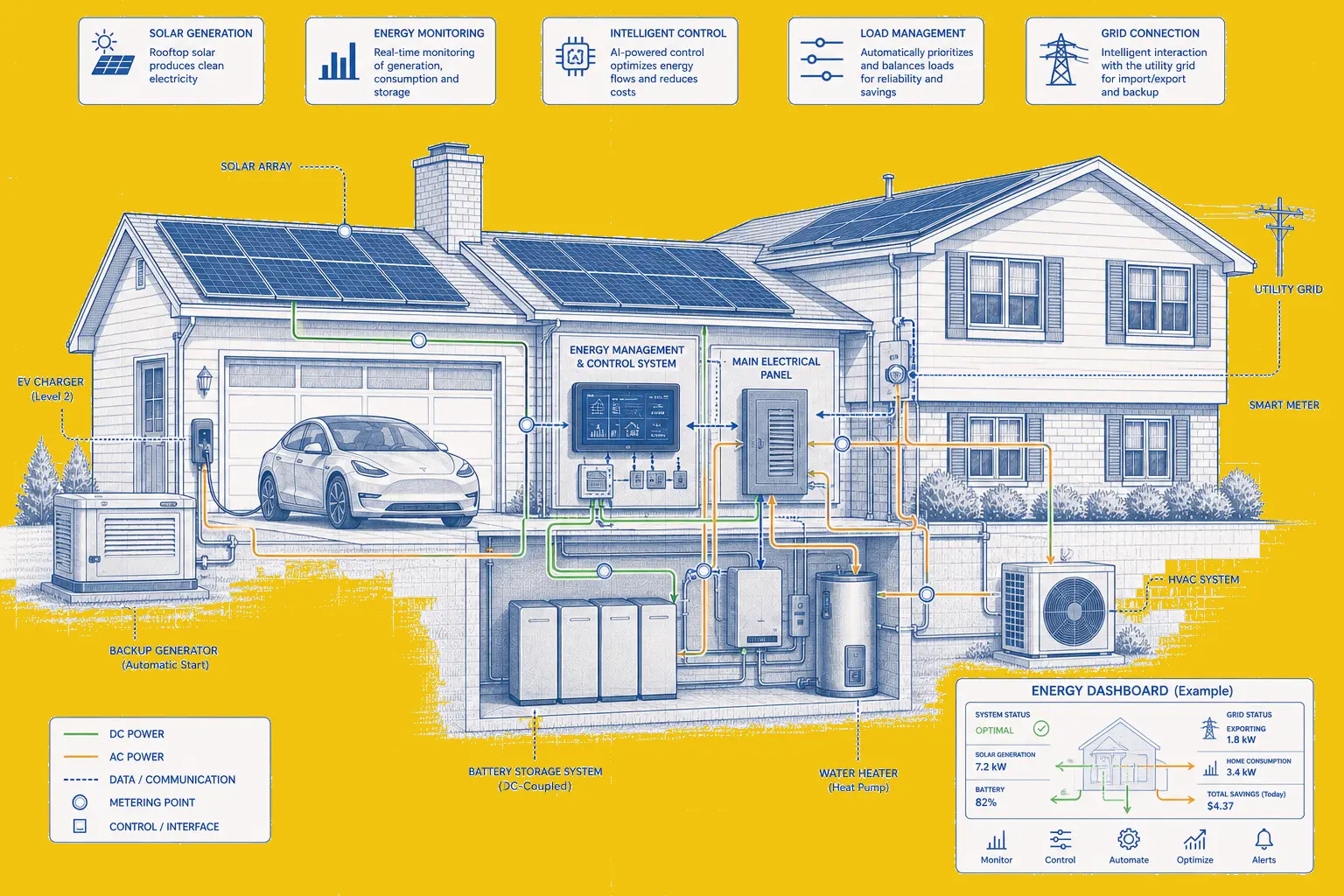
Evaluation, procurement and construction of a whole energy ecosystem, entails
Professional design and installation, permits.
Whole-home loads.
Generation.
Large energy storage.
Whole-home backup.
Grid participation
Home electrification
Transfer/islanding
EV Charging
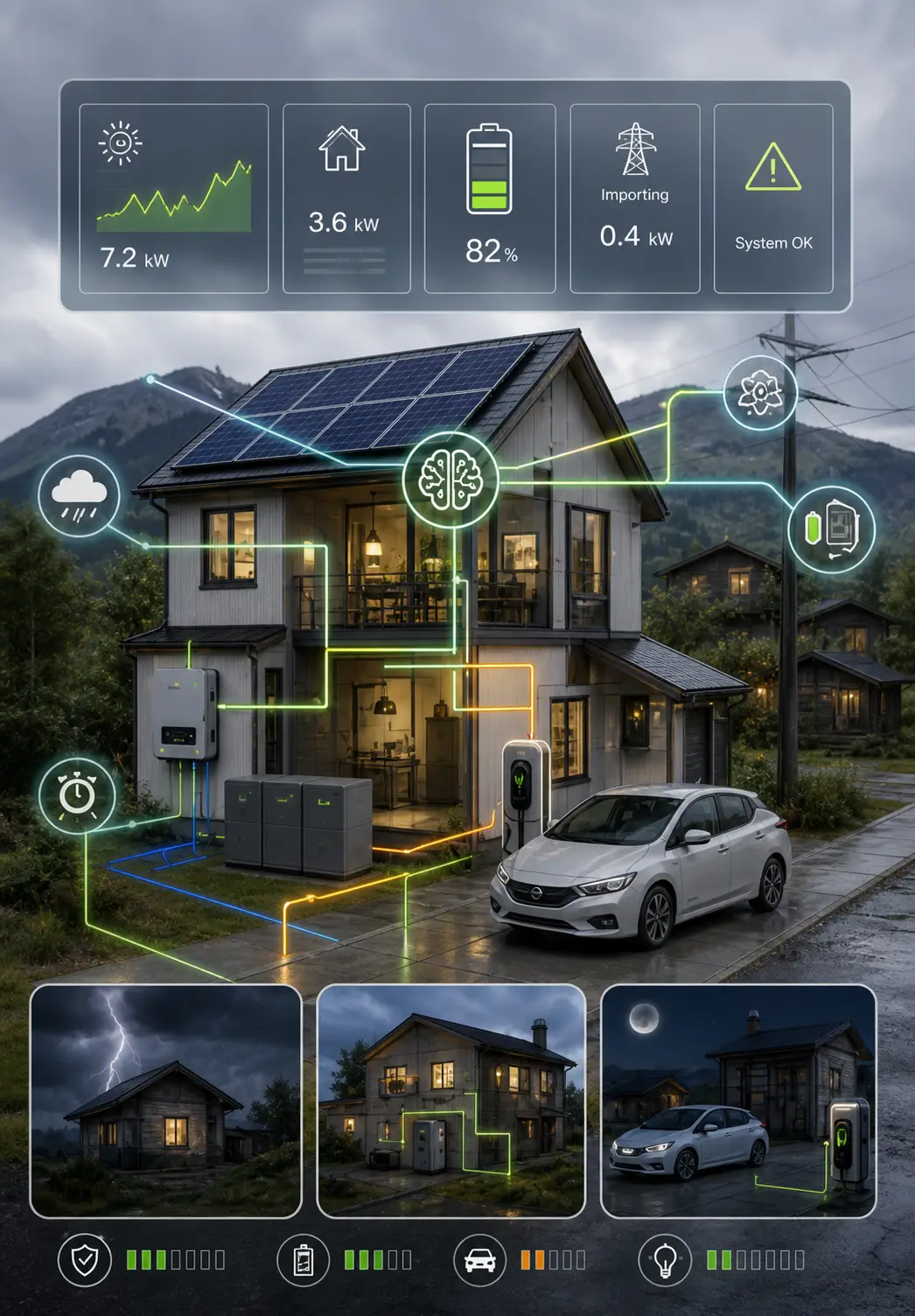
Smart Energy Management, Monitoring + Distribution
Possibly intelligent automation
A system is built around the home and energy needs, and how to smartly distribute or store power.
But besides intelligent energy management,
whole-home battery backup, extra to the required storage, forms part of the initial picture to complete the full energy ecosystem.
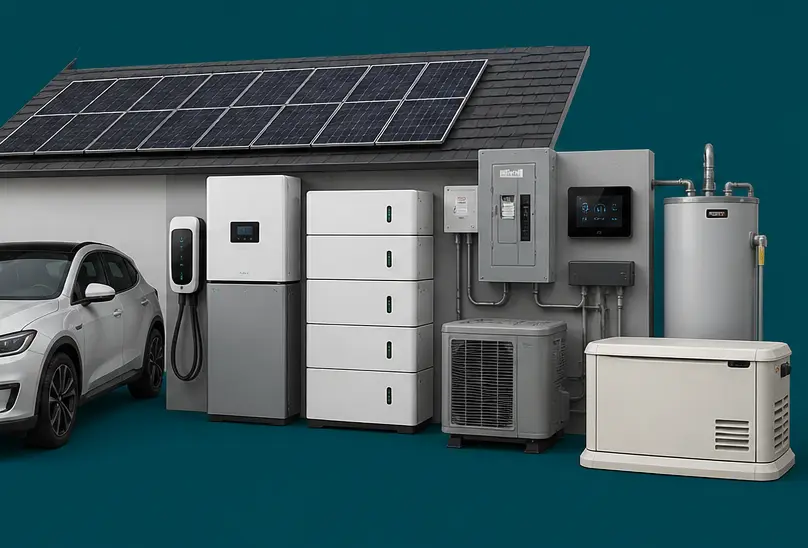
Whole-home Backup vs Full Energy Ecosystem
Backup and energy independence aren’t the same thing.
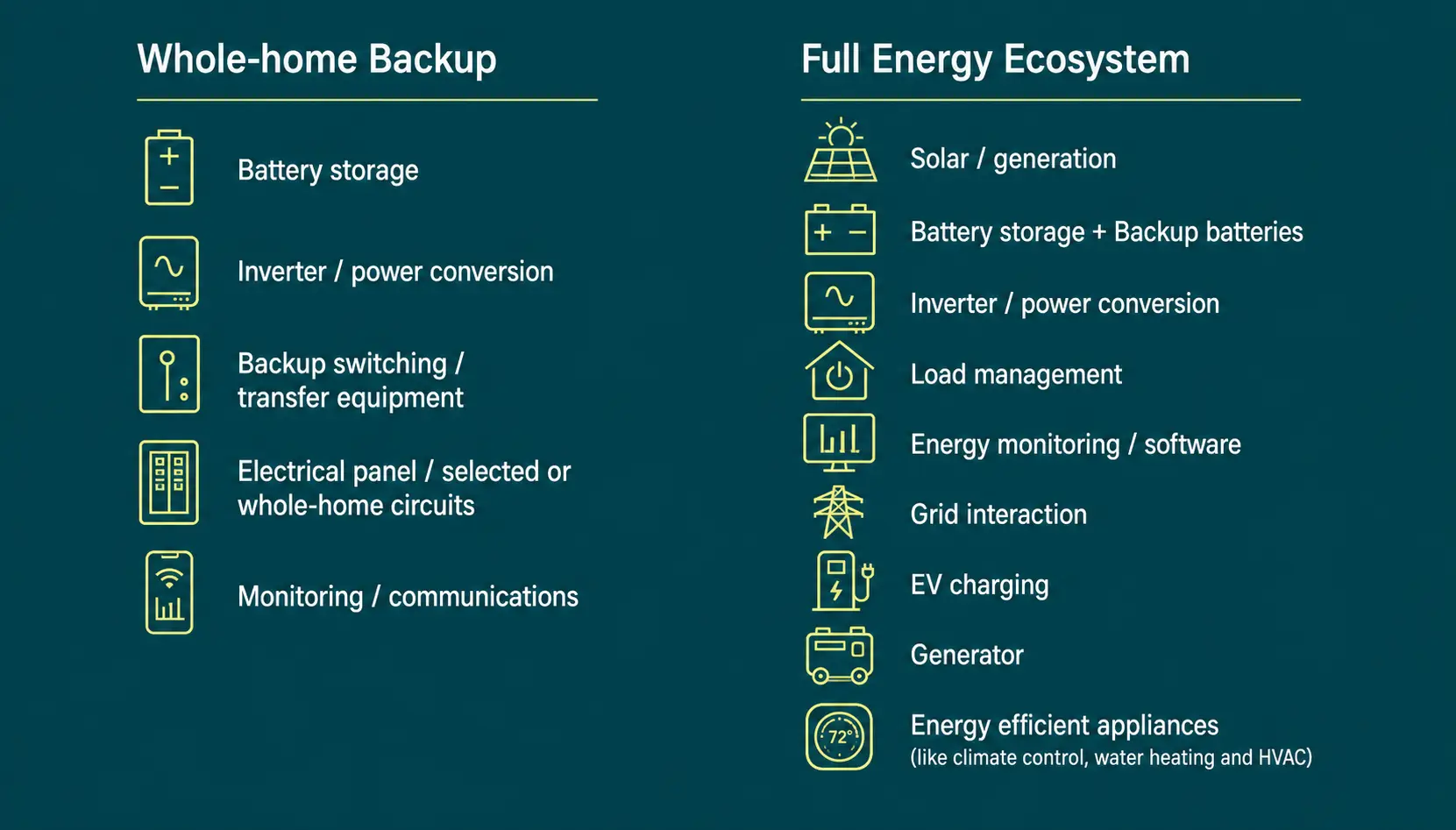
Designed primarily around keeping the home operating when the grid fails.
Designed around producing, storing, using and managing energy as an ongoing system.
Want to know more about Whole-Home Energy Ecosystems?
Battery Backup Q&A
Recharging your Battery System
A battery is not a power source. It is a reservoir.
The moment you ask “How do I refill it?”, you’re really asking about the energy system around the battery.
Ways to recharge a battery system:
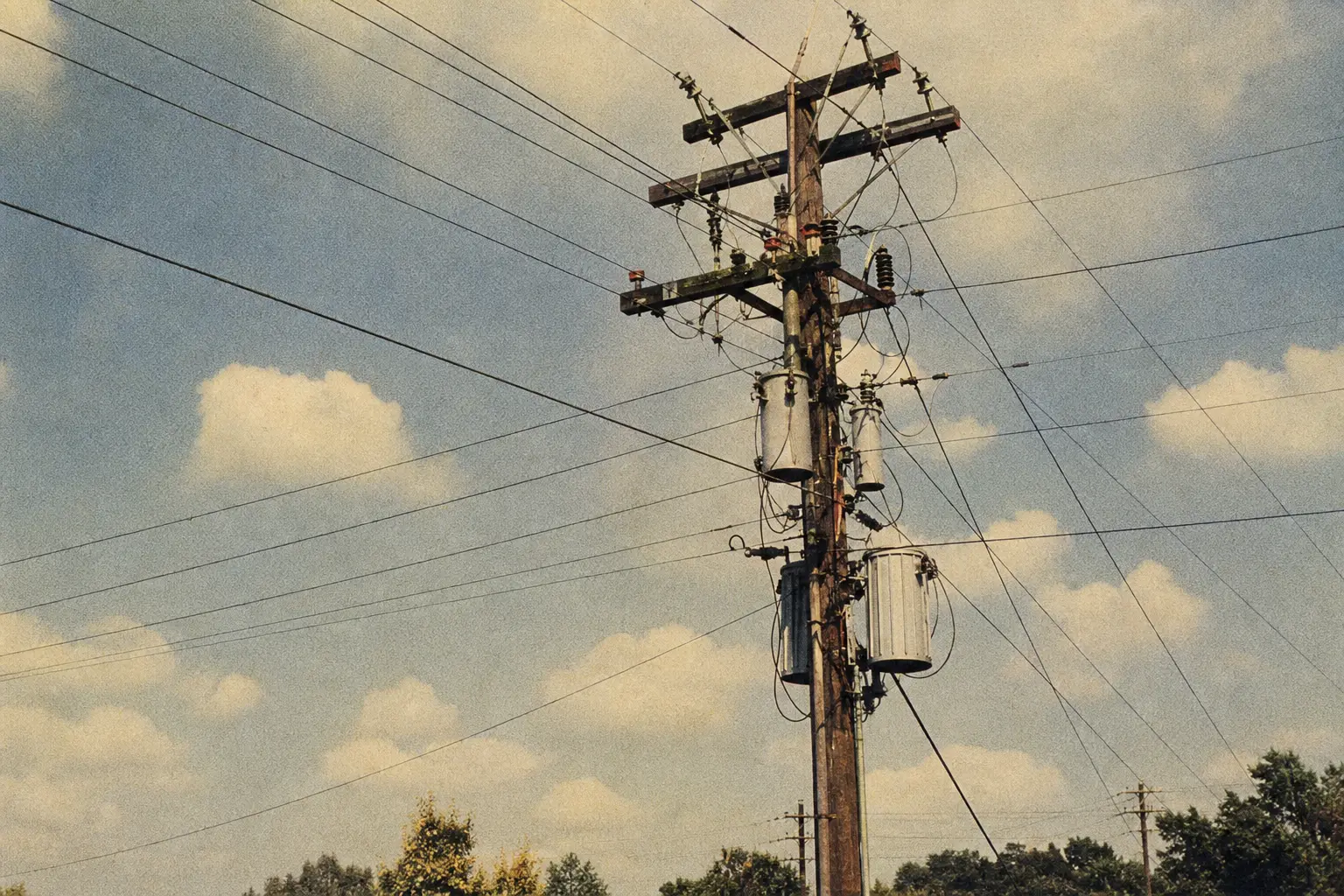
- Grid
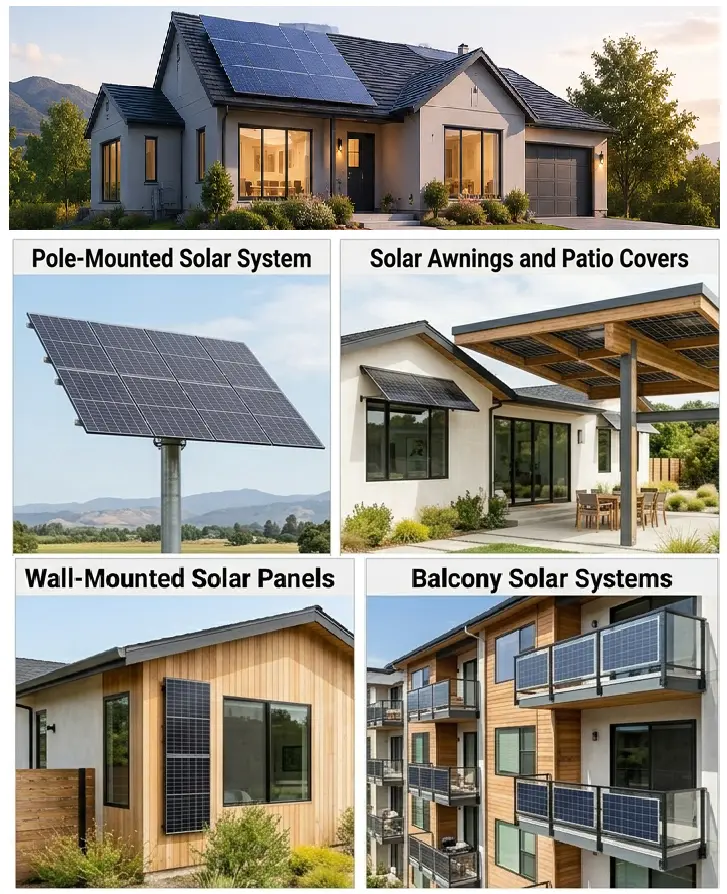
- Solar
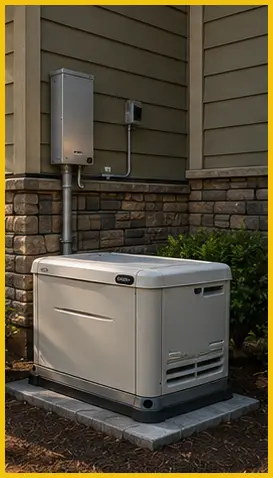
- Generator
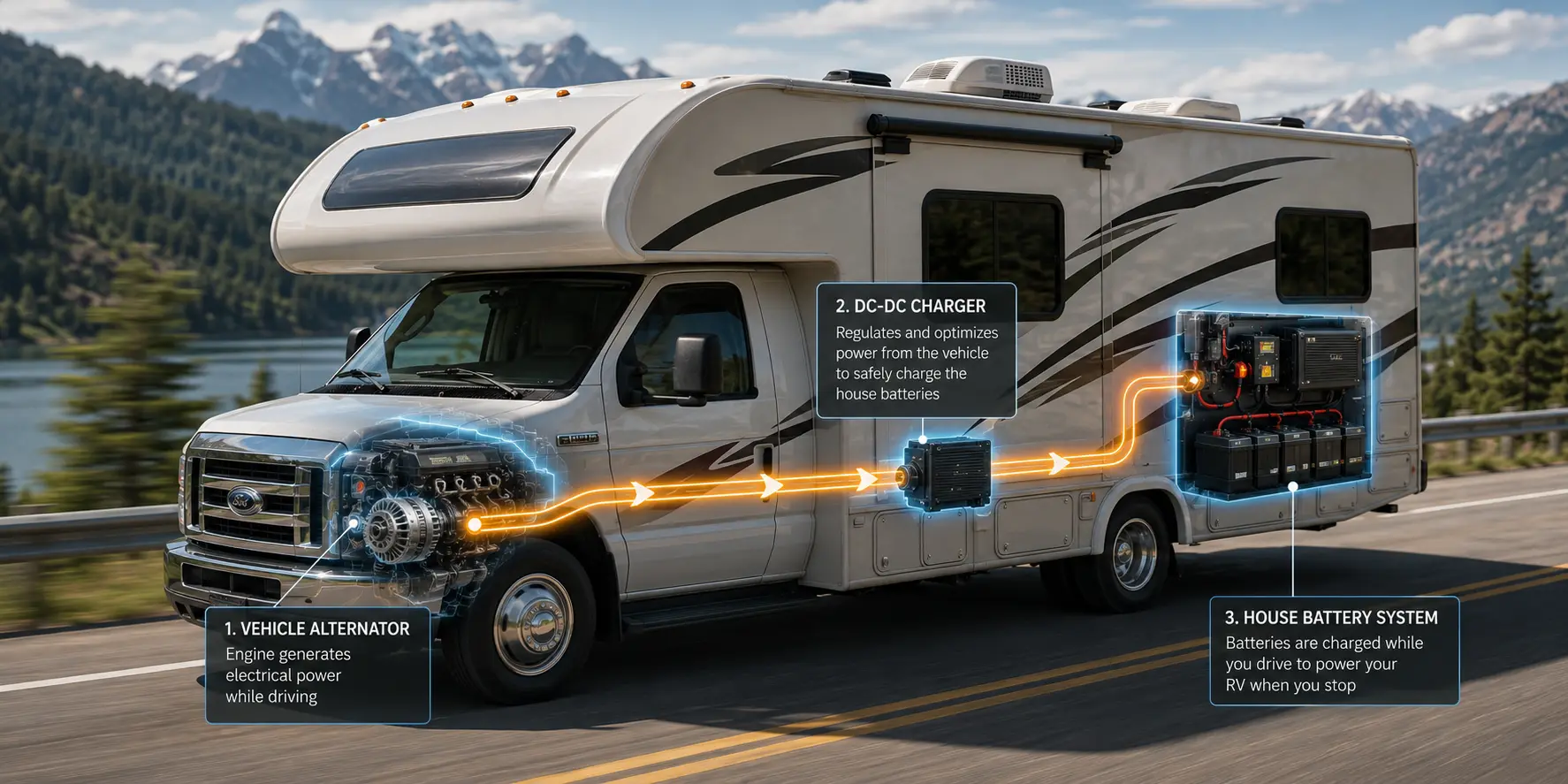
- Vehicle / alternator
- Multiple sources working together
And then there is a sixth thing hovering over all of them:
- EV as storage
— which isn’t simply “charging the battery,” but can eventually turn the vehicle itself into another energy resource.
This is emerging tech.
This is a feature dictated by the EV, Energy system manufacturer components etc, not a generally available option.
You can read more about that here
The point is…
The battery doesn’t care where the energy came from
— the system architecture determines what can feed it, how, and under what conditions.
1. Grid charging — the simplest answer
Portable:
Wall plug → battery
Home battery
Grid → inverter / charger → battery
Grid charging may simply refill a portable battery, or it may be part of a home’s broader energy strategy — including backup reserves, time-of-use management and daily energy use.
2. Solar charging
— where the architecture really changes columns
Solar → battery
The solar and battery have separate inverter stages. A residential systems, have two major architectural approaches:
DC-coupled
Solar → DC → battery The solar array and battery share DC-side power electronics. DC-coupled systems connect the battery directly to PV through a bidirectional inverter Solar →bi-directional inverter → battery → home loads
AC-coupled
AC-coupled systems use a PV inverter plus a bidirectional battery inverter. The coupling choice affects the number of inverters, wiring, installation and other system costs. Solar → inverter → AC → battery inverter → battery
Questions to consider:
What solar system do I already have? What inverter do I have? Can storage be added to it? Is the existing system compatible?
Foldable vs Rigid Panels
Portable solar Foldable / mobile panels → portable battery
Home solar Rooftop PV → home storage
Same basic idea — different architecture, scale and installation.
3. Vehicle / alternator charging
Portable systems can use a vehicle as another charging source, allowing the battery to become part of a mobile energy system rather than simply something you carry away from the house.
Vehicle alternator → charger → portable battery → loads
4. Generator charging
generator → battery → loads
Some systems can use a generator to recharge storage when grid or solar power isn’t available.
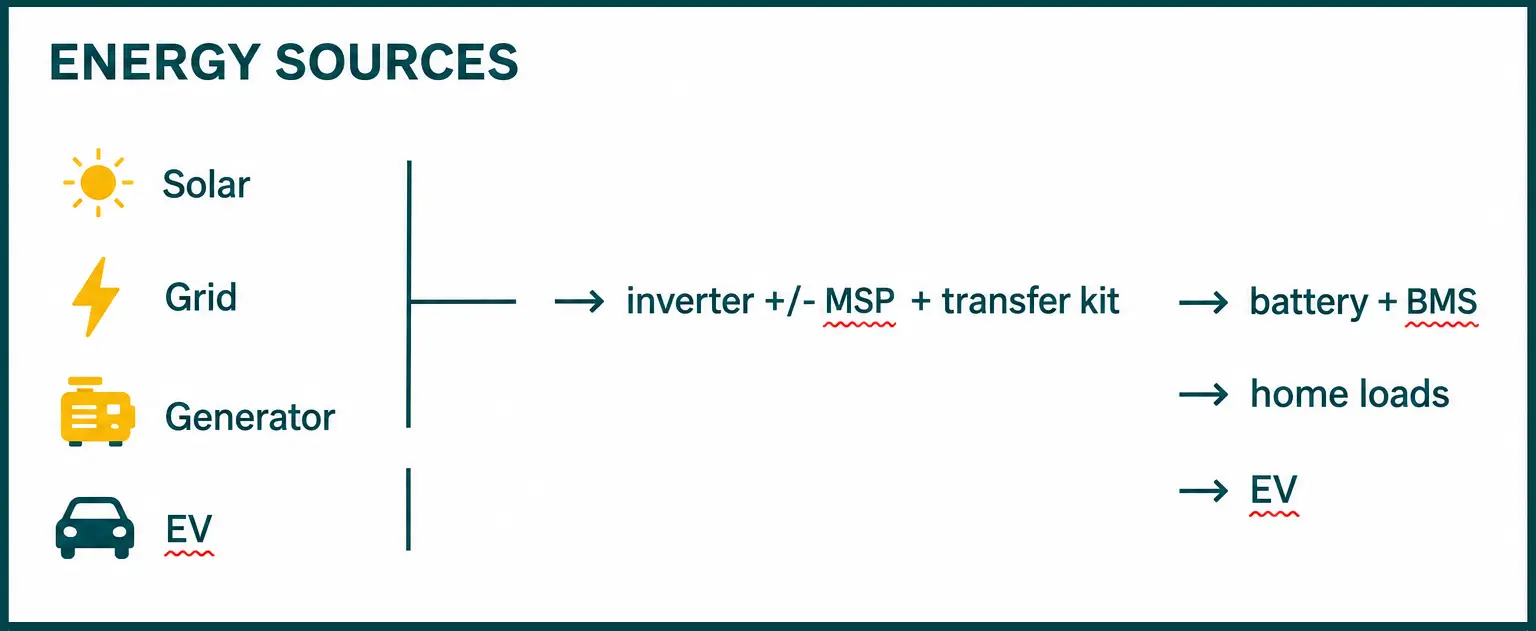
5. Multiple source recharge
ENERGY SOURCES
☀ Solar
⚡ Grid
⛽ Generator
🚙 EV
and RV alternator charging
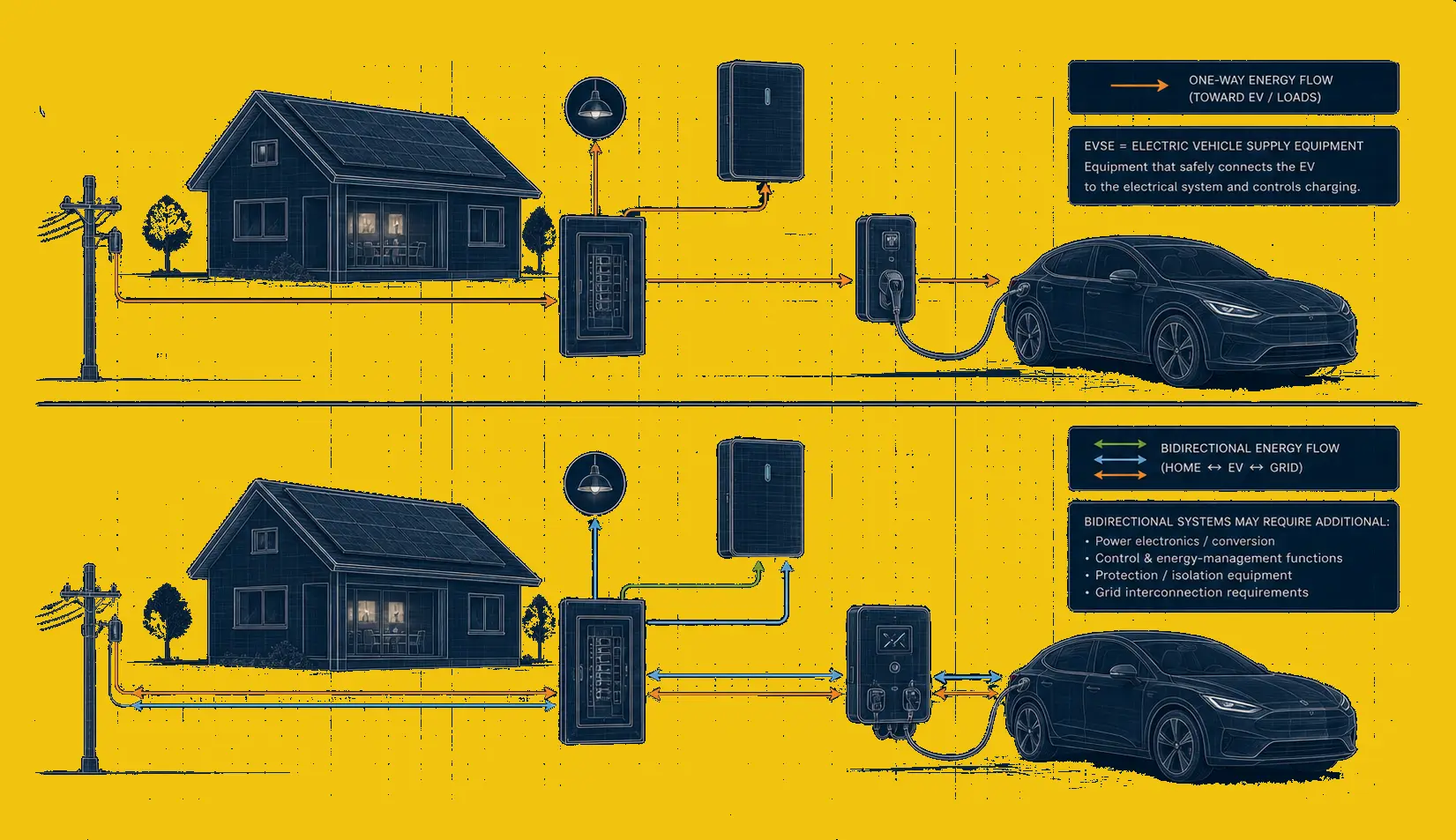
7. Emerging Tech: EV Charging & Bidirectional Charging asset.
A conventional EV is: Grid → EV
A bidirectional EV can become: Grid ↔ EV
and, with the appropriate equipment: Home ↔ EV Bidirectional charging can allow an EV to become another energy resource, but this depends on the vehicle, charger, home energy system and applicable standards.
The real recharge question
“What energy sources can my storage system accept — now and later?”
What happens when I need more power?
Add another unit?
Add battery modules?
Add an inverter? Add solar?
Change architecture?
Replace the whole thing?
It’s a question of compatibility
Compatibility isn’t merely a manufacturer’s attempt to trap you.
Some of the restrictions exist because
a battery and inverter are a safety-critical,communicating system
that has to be validated together.
Lock-in isn’t simply “you can only buy this brand.”
It’s how many parts of your future system depend on the first purchase.
Check the exact model-to-model system compatibility before buying.
Where does the lock-in actually happen?
Battery
Can I expand it or change battery models?
Inverter
Does adding storage increase capacity, output, or both?
Communications
Do the components actually communicate correctly and support the required system configuration?
Backup hardware
What gateways, transfer equipment, panels or controls become part of the system?
Solar
Can I add solar later, or integrate existing solar?
Generator
Can it accept and control generator input?
EV
Can it integrate EV charging or bidirectional power later?
Software
What monitoring, controls and cloud services am I committing to?
Before you commit, ask
Can I expand it?
Can I add batteries later?
Can I change the inverter?
Can I connect solar later?
Can I use another manufacturer’s battery?
What proprietary ecosystem am I entering?
What happens when the manufacturer changes models?
Is the advertised capacity actually usable?
What does the warranty cover?
Can it be repaired?
Can individual components be replaced?
What does “expandable” actually mean?
More kWh? → battery capacity
More kW? → inverter/output capability
More backup circuits? → system equipment
More solar? → compatible PV architecture
More charging sources? → compatible inputs and controls
More functionality? → compatible hardware/software
What to Expand Next?
I need more capacity → what can expand?
I need longer backup → how do I recharge?
I already have solar → can storage integrate with it?
I need to move the power → does portable make more sense?
I need whole-home → am I buying backup or building an energy system?
Buying “cheap now” vs long-term “good decision”
A battery does not suddenly “die” when its warranty ends.
It gradually becomes a smaller battery.
10 years does not automatically mean 10 years of the original usable capacity.
Nameplate capacity → usable capacity when new → guaranteed capacity at warranty end
Battery Warranty Questions to Ask
How long is the warranty?
What capacity is guaranteed at the end of the warranty?
Are there cycle or throughput limits?
What conditions apply?
Does the warranty cover the whole system or only the battery?
What happens if a component fails?
Does the warranty cover the battery only, or inverter and other system components too?
“10-year battery warranty” does not mean “10-year system warranty.”
Modular doesn’t automatically mean repairable. Portable doesn’t automatically mean disposable. The manufacturer’s service, warranty and replacement architecture matter.
Decision Ladder
What are you trying to keep running?
A few devices → essential loads → most/all of the home
How often will you use it?
Occasional outage → regular cycling → daily energy management
Do you want to build over time?
Yes → expansion and compatibility become more important
Do you want the house to operate automatically during an outage?
Now you’re moving toward whole-home integration, and intelligent energy management and distribution

📌 A buying decision checklist
Before you compare the price, ask:
What happens at year 3? Year 5? Year 10?
Can I expand it?
Can I recharge it the way I expect?
Can I add solar later?
Can I integrate what I already own?
What other components am I committing to?
Is the advertised capacity actually usable?
What happens when it ages?
What does the warranty actually cover?
Can components be replaced?
Can today’s system become tomorrow’s system?
Don’t just buy
the amount of backup power
you need today.
Understand what system you’re buying into — how it can be recharged, expanded, integrated, repaired and eventually replaced.
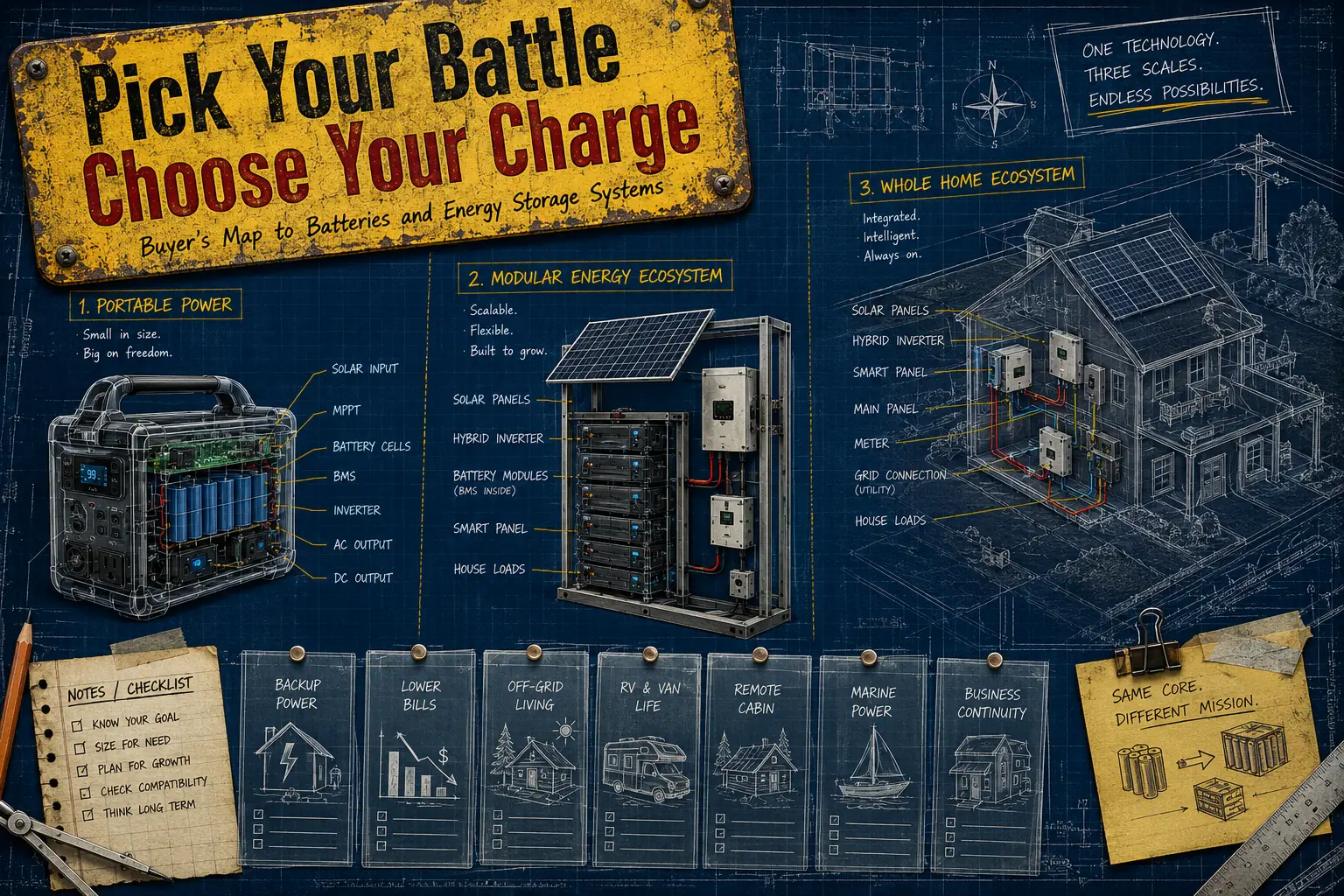
Buyer’s Map to Batteries and Energy Storage Systems
Ready to Choose?
Let’s take a walk through the marketplace…
…but I should tell you
Affiliate Disclaimer:
NavigatingSolar is an independent educational resource. We don’t manufacture or install solar systems—we research technologies, compare solutions, and help homeowners make informed decisions.
These links may connect you with solar providers through our partner network.
We may earn a commission if you choose to engage — at no extra cost to you.
Learn more about how we choose partners.
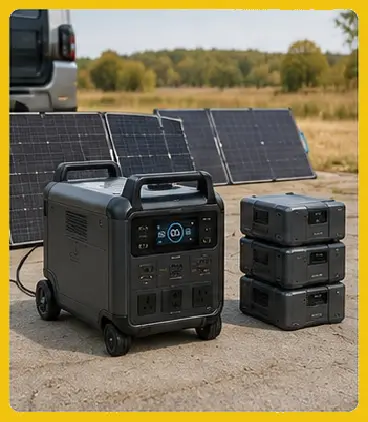
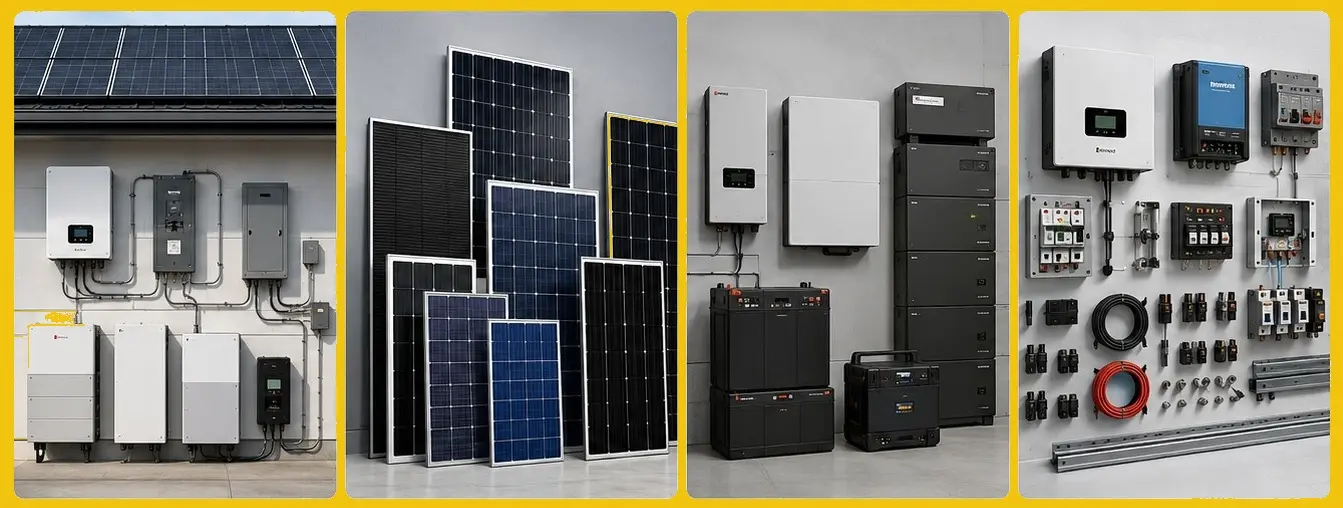
→ Explore Portable Systems
Browse portable battery backup options and mobile power stations
→ Moving towards Modular?
Compare modular system components, manufacturers, and expansion options
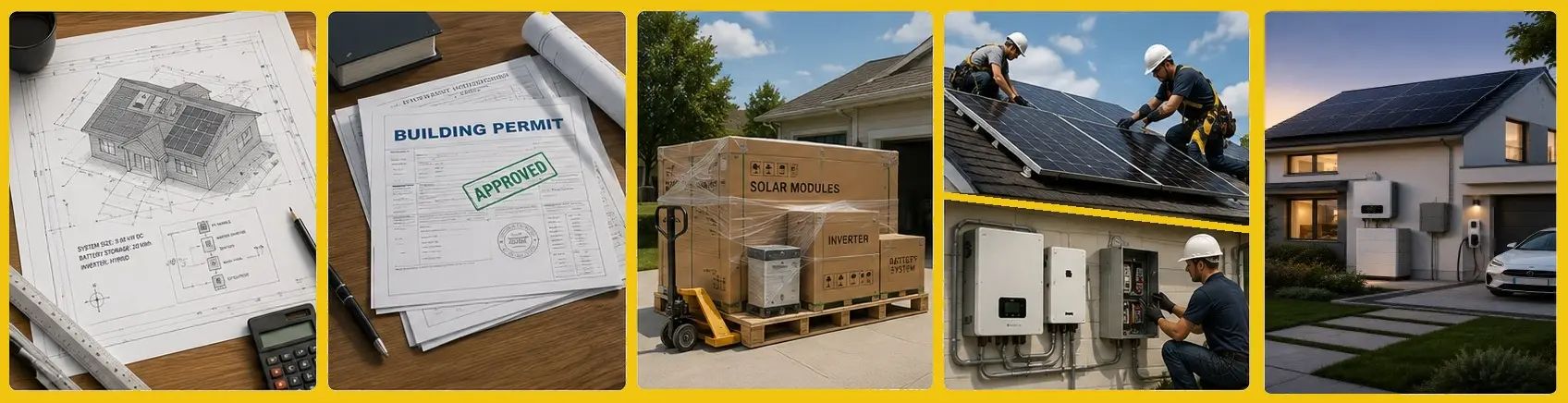
→ Need a Whole-home System Quote?
Find and compare quotes and professional installers near me
Already have solar?
→ Search compatible expansions, upgrades and energy optimizers.
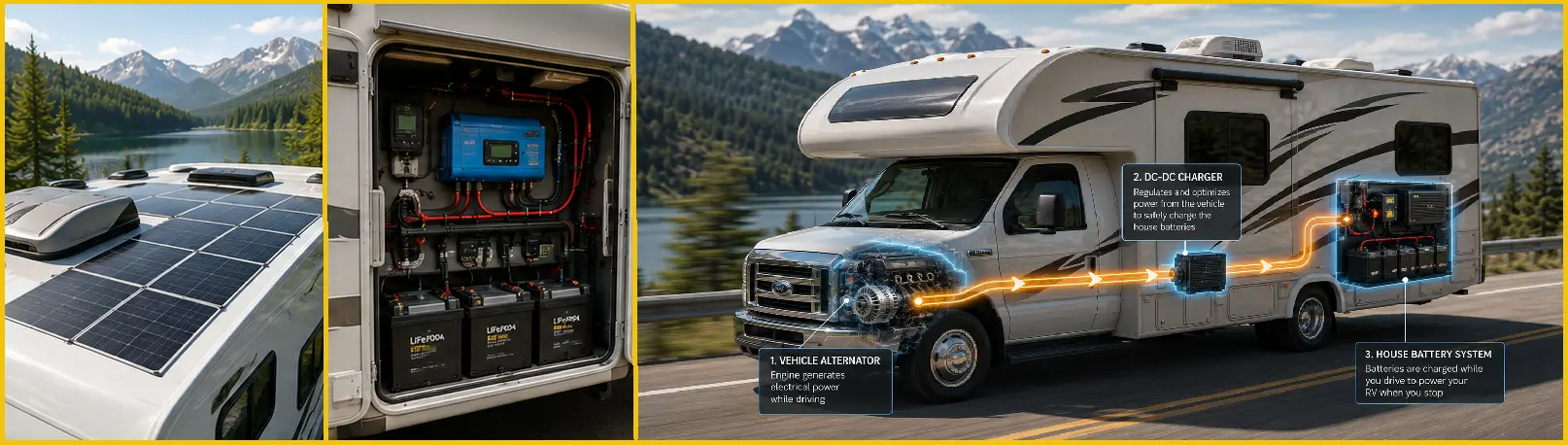
Need power on the move?
→ Explore RV & mobile systems for life on the road
Want the bigger picture?
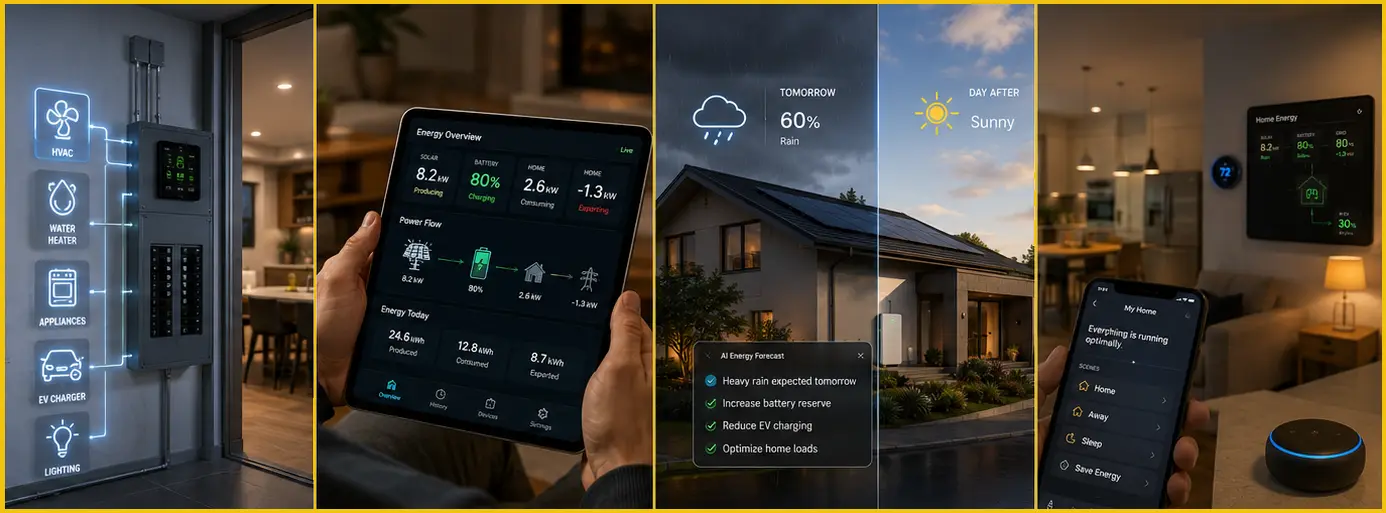
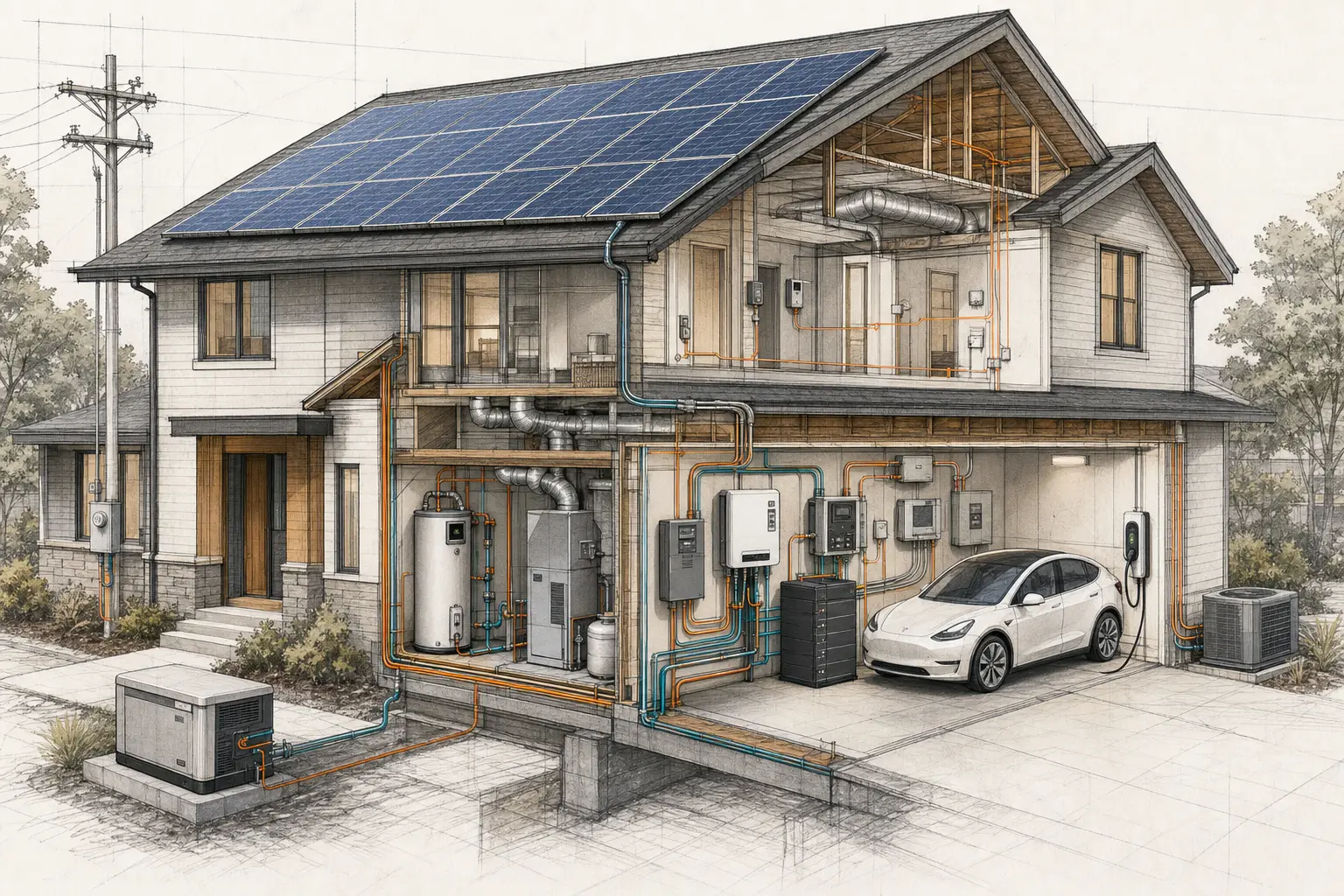
→ See what an
Intelligent Whole-Home
Energy Ecosystem
can do
Need to understand your
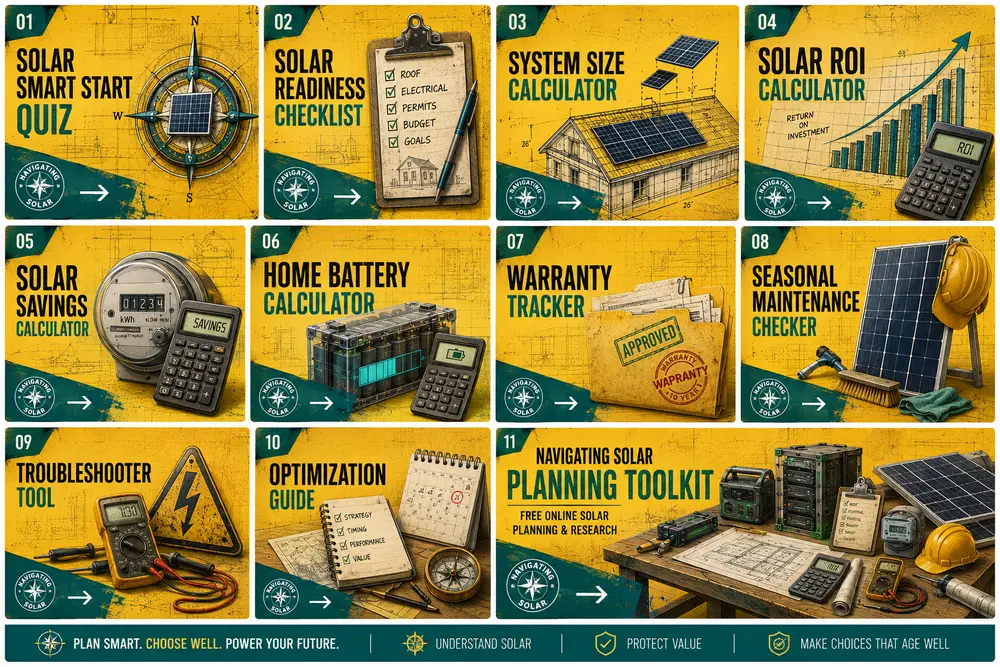
energy usage vs solar generation first?
Explore the
NavigatingSolar Toolkit

Decision maps:
🟢🟡The Homeowner’s Solar Decisions Manual: Built on Choices
🟢🟡Which Type of Solar Consumer Are You?
🟢🟡Types of Solar-powered Systems
🟢🟡An Unbiased Comparison : Community Solar, Virtual Power Plants, and Solar Ownership
🟢🟡3 Alternative Solar Installation Solutions
🟢🟡Electric Vehicles and EV Chargers
Hardware Guides
Educational transparency.
NavigatingSolar is an Independent Educational Resource. We are not solar manufacturers or installers – we research them.
Why these suggestions?
Navigating Solar doesn’t recommend companies simply because they offer affiliate programs. We believe readers should always understand why something is being recommended. We begin with the homeowner’s decision—not the product. We identify where people struggle to make informed choices, then evaluate products, services and partners that genuinely solve those problems.
Not every recommendation earns us a commission. Partnerships are selected to fit the educational framework—not forcing the educational framework to fit whatever affiliate programs happened to exist. If a company doesn’t fit the decision framework and ethos, we don’t include it—whether it has an affiliate program or not. If we believe a better solution exists, we’ll recommend it regardless of whether it generates a commission.
➡️ Our goal is to help you make the right decision—not the fastest purchase.